Внимание
Это нелинейная презентация
Следующий слайд — ПРОБЕЛ , предыдущий — SHIFT+ПРОБЕЛ
Digital Humanities
Вводная лекция курса
План на сегодня
- 🌌 Галактика Digital Humanities: место во Вселенной 🔭
- 🌏 Планета Digital Humanities: вид сверху 🛩️
- 👽 Поиск разумных форм жизни: где обитают цифровые гуманитарии?
- 🛸🛸🛸 Встреча с пришельцами
- 💻 Что будет в курсе дальше + задание на следующий раз
Зачем нужно это занятие?
- Начать ваше "погружение в DH-среду"
- Посмотреть, что есть внутри Digital Humanities...
- ...и вообще нужен ли этот термин
- Исчислить главные направления
- Понять, куда смотреть и за чем следить
- После этой пары вы легко сориентируетесь сами
Галактика Digital Humanities: место во Вселенной
Где можно найти Digital Humanities
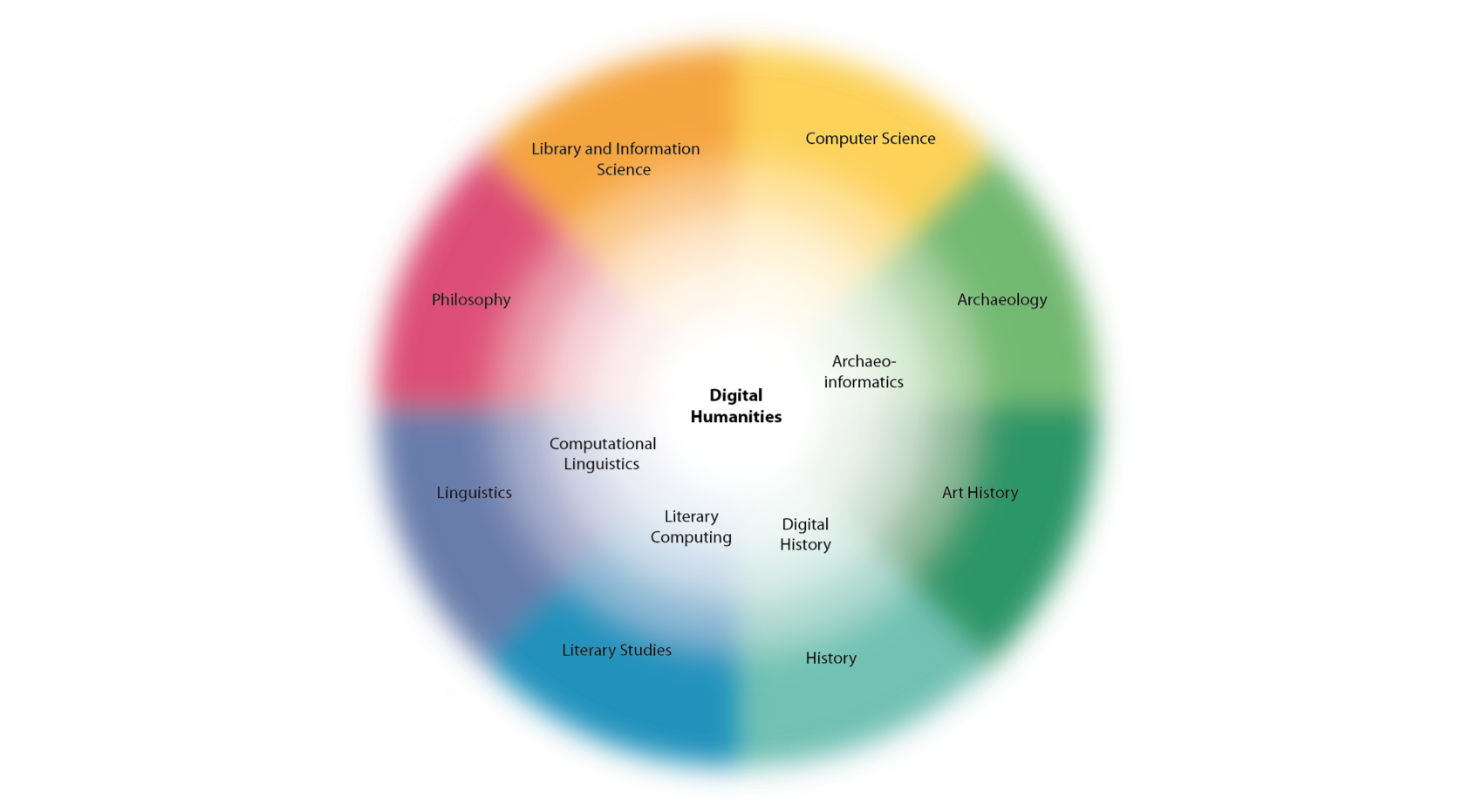
"Практические" определения Digital Humanities
Digital humanities (DH) is an area of scholarly activity at the intersection of computing or digital technologies and the disciplines of the humanities.
Using computational tools to do the work of the humanities
The use of digital tools and methods in humanities study and dissemination.
DH is inquiry enabled by digital methodologies or modes of research, dissemination, design, preservation, and communication that rely on algorithms, software, and/or the Internet network for processing data.
Но никто же не говорит про «цифровую физику»?
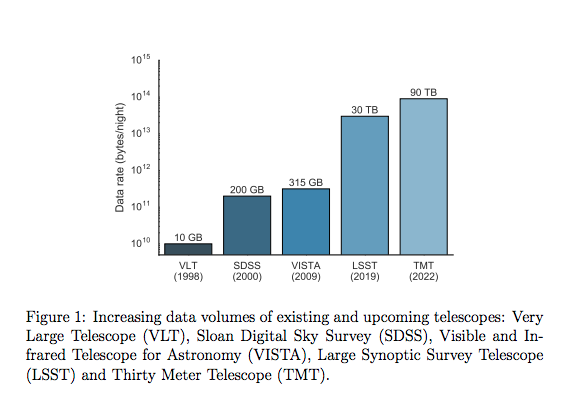
В гуманитарных науках при переходе к цифровым методам происходит более глубокий сдвиг
Digital Humanities is the integration of sophisticated, empirical techniques utilizing tools and technologies typically associated with practical sciences into the study of traditional humanities questions. It represents a more exploratory and less quantitative approach than social sciences in the use of such tools, but it also represents ambitious attempts to model nuanced human wisdom in ways that, like early flying machines, are beautiful, quite impractical and often fail.
Это качественный сдвиг
Это качественный сдвиг
- Гуманитарии почти не говорили на формальных языках — теперь нужна дискретность
- У гуманитариев много неоднозначности — компьютеры требуют однозначности
- Гуманитарии редко производили "продукты" и "проекты" — в Digital Humanities это стандарт
DH is at its best when it embraces the digital not simply as a means to the traditional ends of scholarship, but when it transforms the nature of what humanists do. The digital allows for scholars, librarians, archivists, and curators to engage much more directly with each other and the public. Further, it allows them not simply to write for each other, but to build things for everyone.
The Digital Humanities is both a field with a discernable set of academic lineages, practices, and methodologies and a vague umbrella term used to describe the application of digital technology to traditional humanistic inquiry. Ultimately, what sets DH apart from many other humanities fields is its methodological commitment to building things as a way of knowing.
DIY-humanities
We don’t just make for the humanities, we just make. [...] One of the defining features of some of the best and the brightest in the digital humanities isn’t digital per-say, it has to do with a pervasive kind of scrappyness. It’s about having a do it yourself mindset.
DIY-humanities
Цифровые гуманитарные науки — это область исследований, обучения и созидания, созданная на стыке компьютерных и гуманитарных наук.
A kind of scholarship that requires design, management, negotiation, and collaboration.
«Коммунальность» Digital Humanities
Коммунальные определения Digital Humanities
It is both a methodology and a community.
A “community of practice” (to borrow Etienne Wenger’s phrase) whereby the learning, construction, and sharing of humanities knowledge is undertaken with the application of digital technologies in a reflexive, theoretically informed, and collaborative manner.
Коммунальные определения Digital Humanities
The phrase [digital humanities] has use-value to the degree that it can serve as an umbrella under which to group both people and projects seeking to reshape and reinvigorate contemporary arts and humanities practices, and expand their boundaries.
Закрывая дискуссию: а нужны ли вообще определения?
I think digital humanities, like social media, is an idea that will increasingly become invisible as new methods and platforms move from being widely used to being ubiquitous. For now, digital humanities defines the overlap between humanities research and digital tools. But the humanities are the study of cultural life, and our cultural life will soon be inextricably bound up with digital media.
Digital Humanities — это просто удобный лейбл, "временная переменная"
A name that marks a moment of transition; the current name for humanities inquiry driven by or dependent on computers or digitally born objects of study; a temporary epithet for what will eventually be called merely Humanities.
А term of tactical convenience
Но не стоит недооценивать convenience!
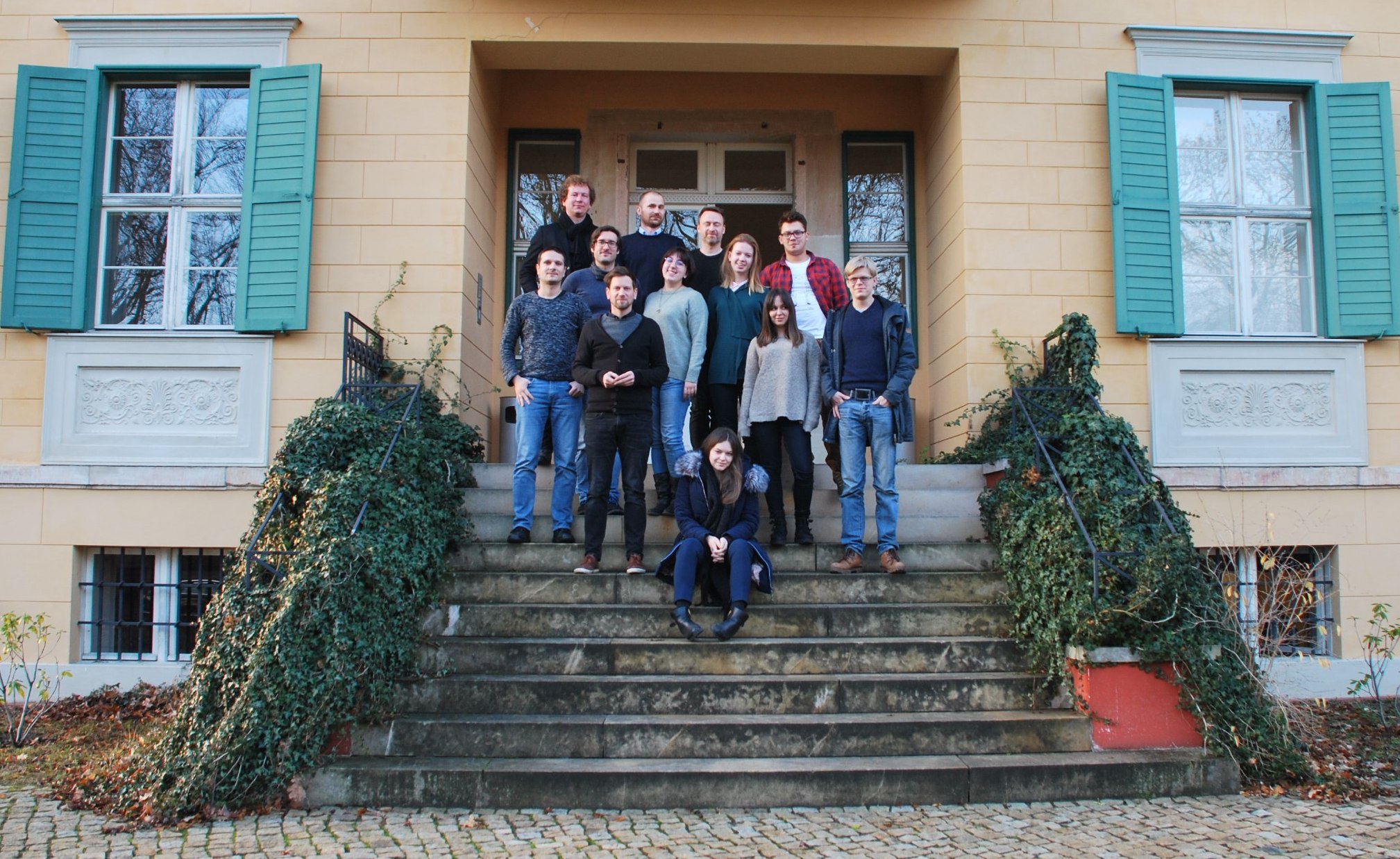
Никогда бы не собралась, если бы не было "зонтика DH" ☂️
И еще DH — это ценностный момент:
Taking tools built by warmongers, spy agencies & investment bankers and using them to study literature, philosophy, culture and the classics
Развлечение
whatisdigitalhumanities.com — 817 определений
Зайдите и прочитайте одно
Планета Digital Humanities: вид сверху
Главные направления работы
- Поиск "закономерностей", "трендов" в больших массивах культурных объектов; "масштабированиe" Humanities
- Использование цифровых инструментов для более глубокого анализа единичных объектов; моделирование в Humanities
- Визуализация и новые формы передачи гуманитарного знания широкой публике
- Оцифровка культурного наследия и создание инструментов работы с ним
Поиск "закономерностей" и "культурных трендов", массовый анализ...
- ...художественных текстов филологами («Distant Reading»)
- ...любых текстов — для получения новой информации о развитии культуры и общества («Culturomics»)
- ...медиаконтента, в т.ч. пользовательского («Cultural Analytics»)
- ...изображений («Visual Analytics») и видео («Distant Viewing»)
- ...археологических находок
- ...геоданных (например, исторические GIS)
Цифровой анализ единичных объектов, моделирование
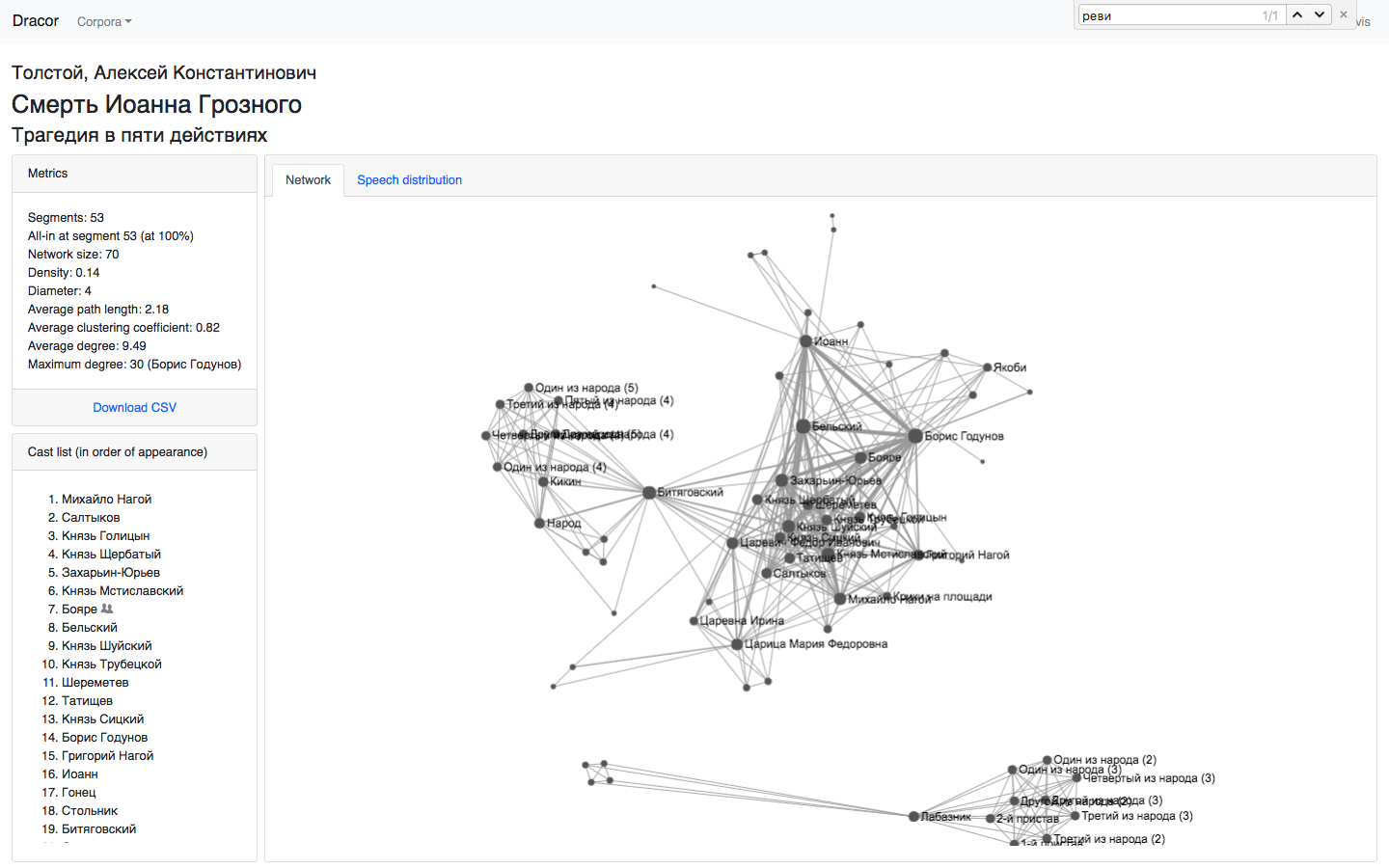
- Сетевой анализ в истории и литературе
- Стилеметрия (авторство, стиль, жанр, translation studies)
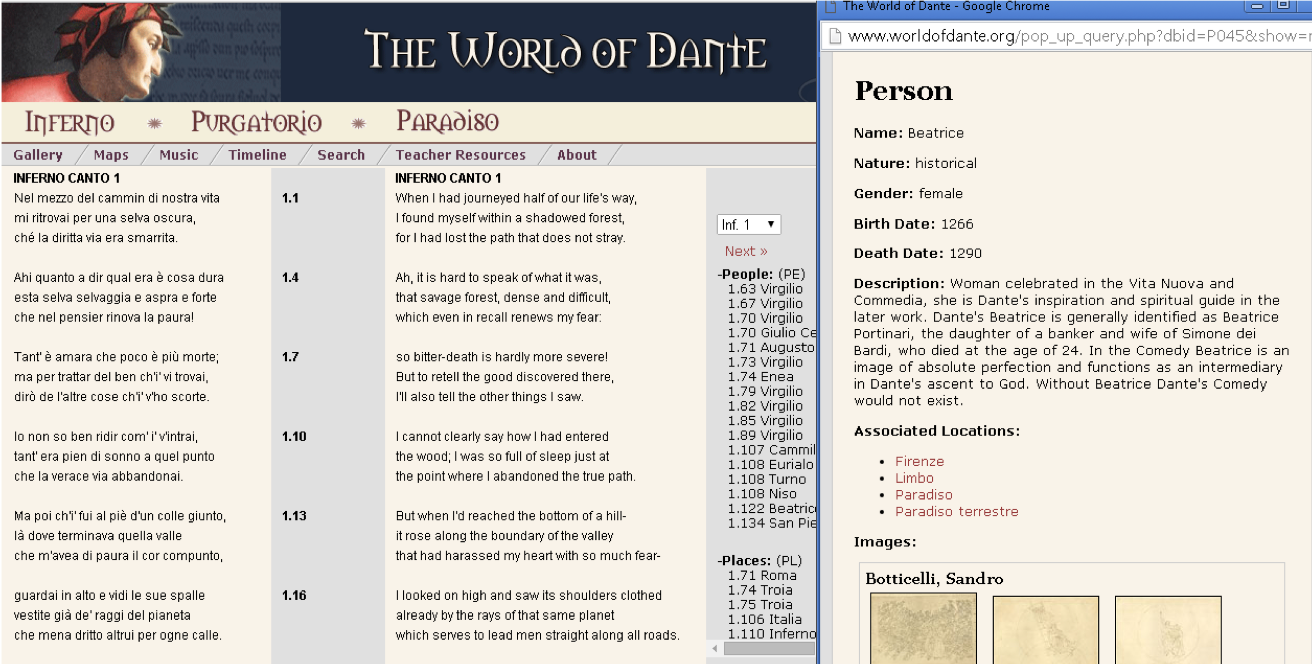
- «Семантическая разметка» художественных текстов
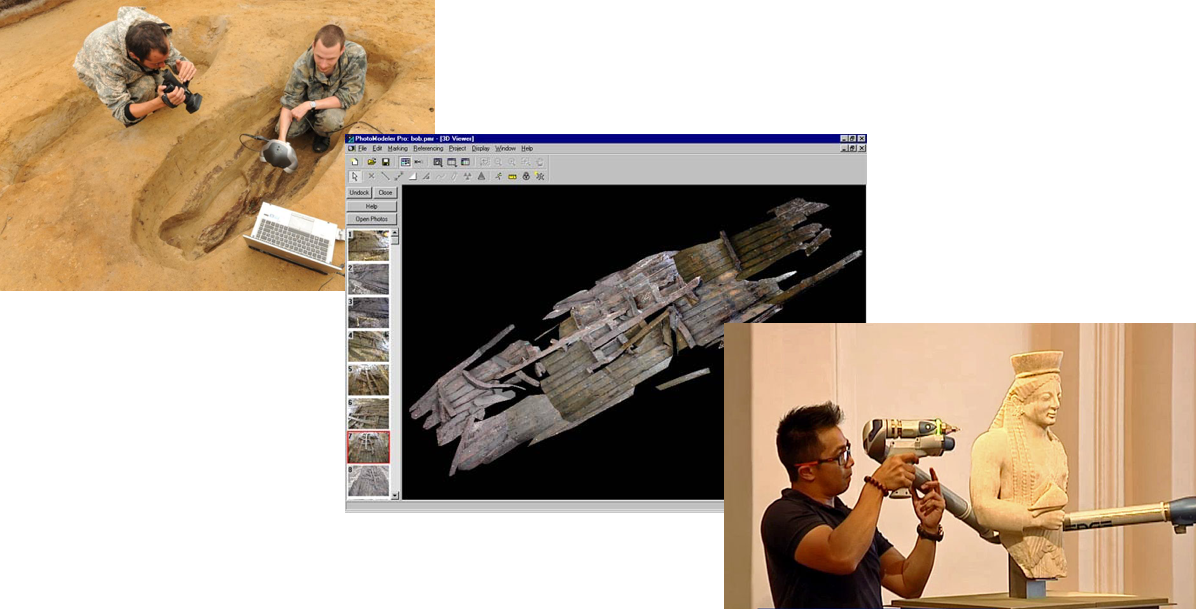
- 3D-моделирование материальных памятников
Визуализация, распространиение, популяризация гуманитарного знания
- Цифровые издания
- GIS как метод представления исторических знаний
- Виртуальная, дополненная, смешанная реальность (музеи, педагогика)
- Всякая гуманитарная инфографика
Оцифровка культурного наследия
- Цифровые архивы
- Форматы и стандарты представления гуманитарных данных в машиночитаемом виде (TEI, базы данных, LOD)
- Краудсорсинг для оцифровки
- OCR (оптическое распознавание символов)
Примеры
Масштабирование Humanities
Самый Простой Пример ever
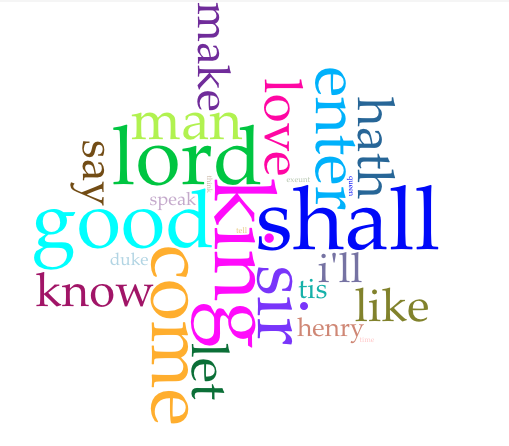
Самые частотные слова, все пьесы Шекспира
Попробуйте сами
Идея "Дальнего" чтения (Distant Reading)
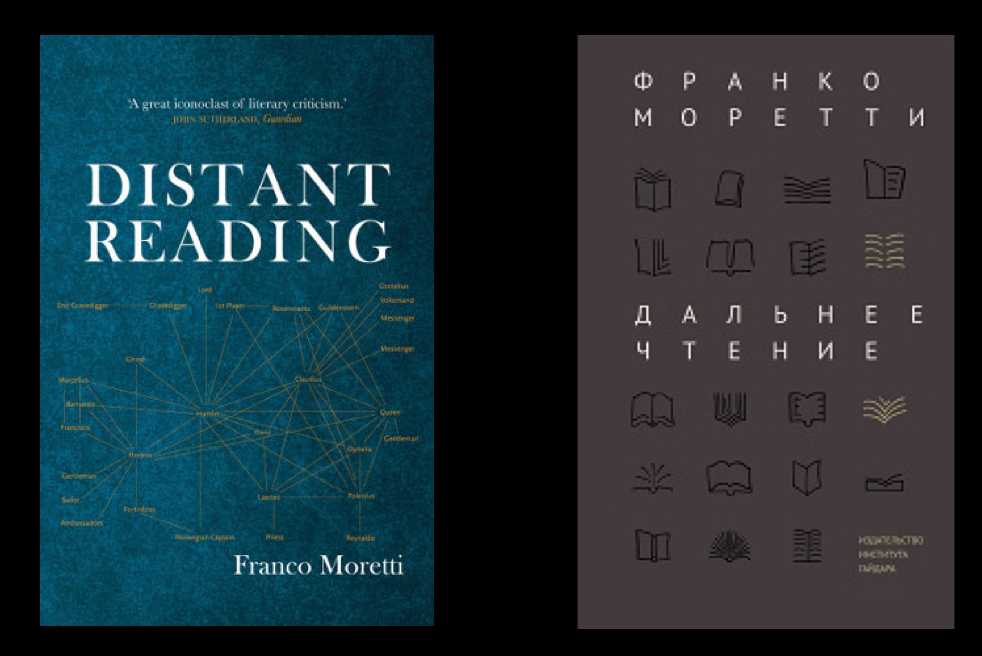
Идея "Дальнего" чтения (Distant Reading)
"[…] if you want to look beyond the canon […], close reading will not do it. It’s not designed to do it, it’s designed to do the opposite. […] we know how to read texts, now let’s learn how not to read them. Distant reading: where distance […] is a condition of knowledge […]."Идея "Дальнего" чтения (Distant Reading)
"Если же мы хотим выйти за пределы канона […], то пристальное чтение нам не подходит. Оно не создано для таких задач, оно создано для решения задач противоположных. […] мы умеем читать тексты, теперь нужно научиться не читать их. Дальнее чтение, для которого расстояние […] является условием получения знаний […].»
“Literature scholars should stop reading books, and start counting, graphing, and mapping them instead.” Franco Moretti (2005)
Литературоведы должны прекратить читать книги и начать считать, визуализировать и картографировать их Франко Моретти (2005), перевод мой
Пример "Дальнего" чтения: затихание романа
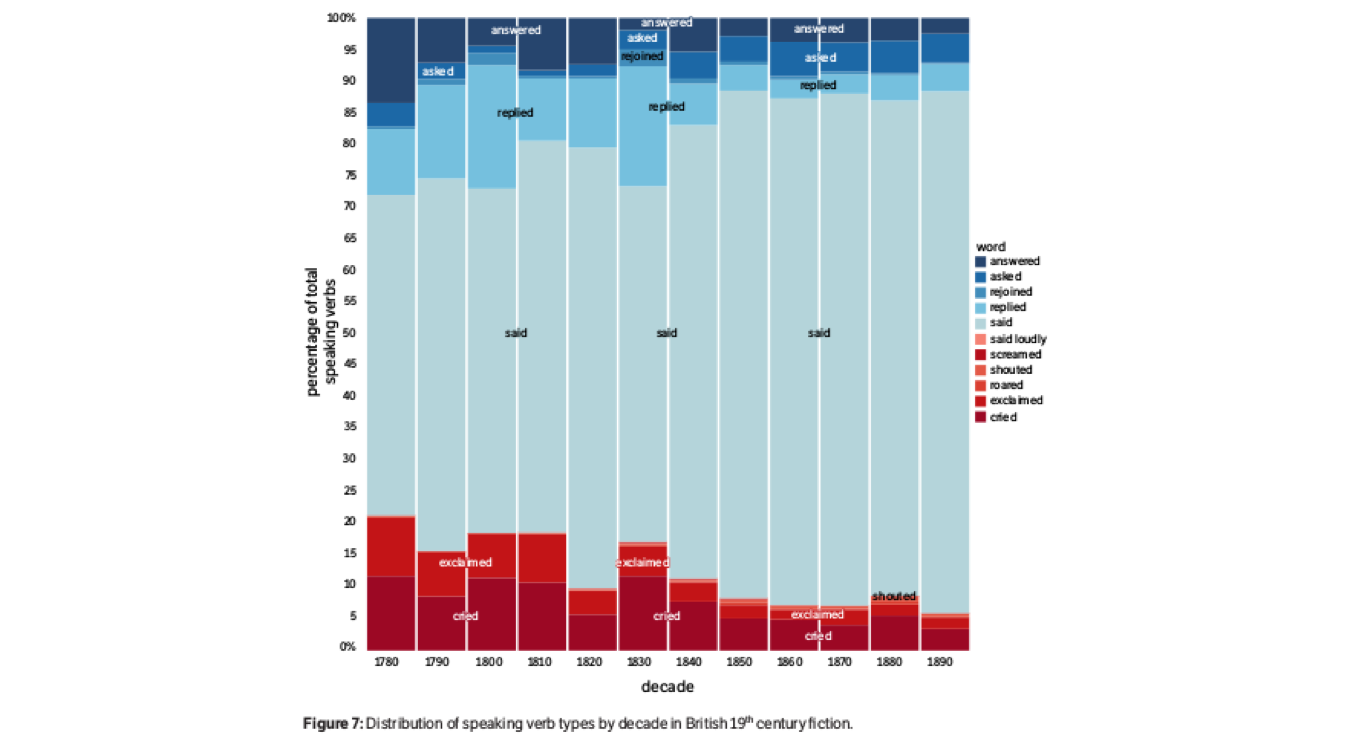
Пример "Дальнего" чтения: сокращение длины названий
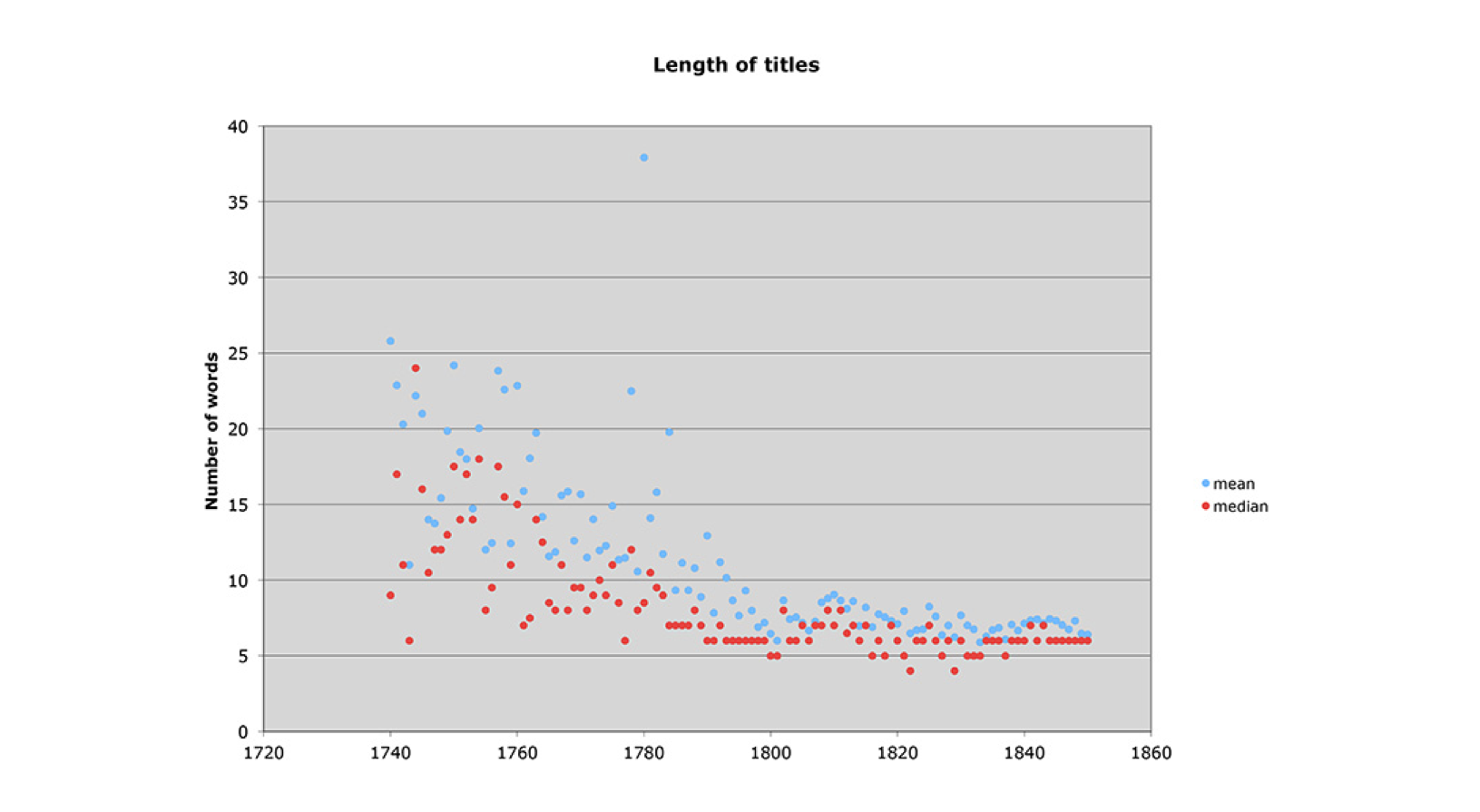
«Основная метаморфоза названий XVIII в. проста: за время жизни двух поколений они становятся намного короче».
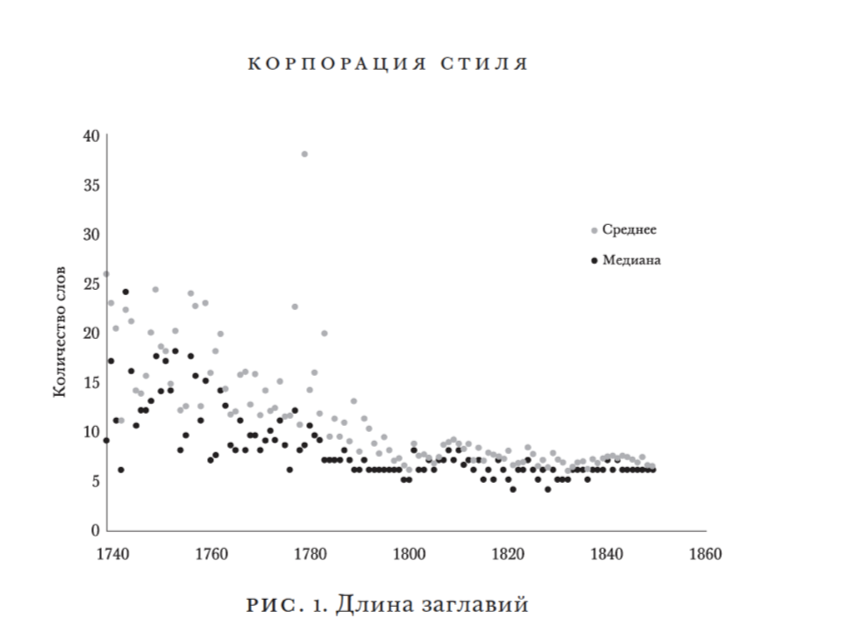
А как выглядели длинные?
Письмо от Х—г—г, эсквайра, одного из лордов опочивальни, к молодому шевалье и единственному человеку из его свиты, сопровождавшему его во время долгого путешествия от Авиньона по Германии и другим местам; содержит множество замечательных и чувствительных происшествий, случившихся с П — в его таинственном странствии. Близкому другу.
(A letter from H—g—g, Esq; One of the Gentlemen of the Bedchamber to the Young Chevalier, And the Only Person of his Retinue that attended him from Avignon, in his late Journey through Germany, and elsewhere)
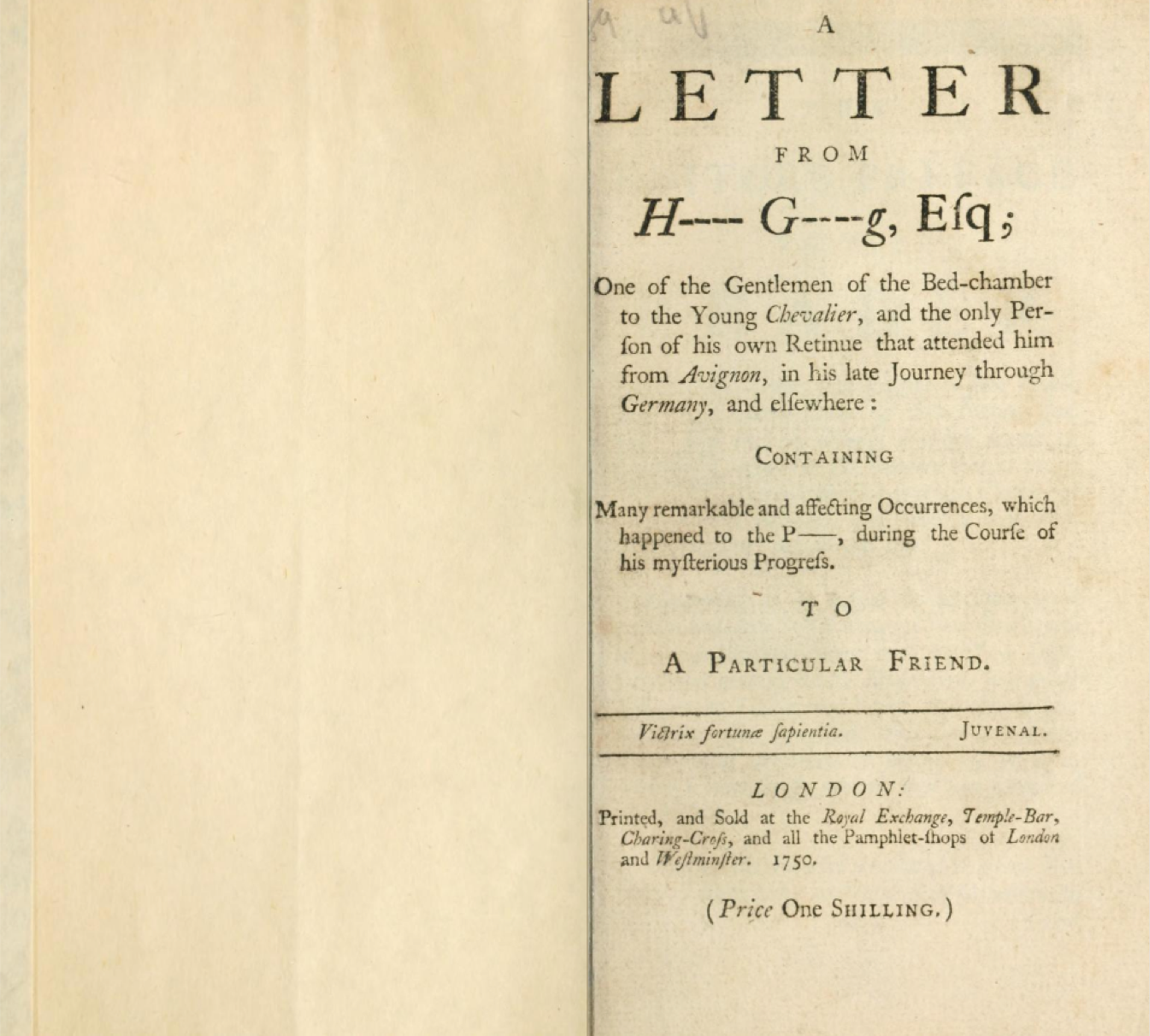
«Сегодня это звучит странно, но на самом деле краткий пересказ в начале романа имеет смысл: роман — это повествование, а заглавие (в случае с титульным листом можно понять, зачем книге требовалась целая страница для титула) в качестве пересказа было укороченным повествованием — оно представляло основные события истории, персонажей, место действия, концовку. Это имело смысл».
Так почему же они исчезли?
Версия Моретти
<..> культурная экосистема изменялась таким образом, что становилась несовместимой с этими принципами: на протяжении XVIII в. количество опубликованных романов в Британии существенно выросло <..>
Версия Моретти
В третьей и особенно в четвертой четверти XVIII в. Monthly и другие журналы стали печатать рецензии на многочисленные новые романы, что сделало заглавия-пересказы в некотором смысле избыточными <…>
Версия Моретти
Кроме того, поскольку количество новых романов продолжало расти, временное окно для представления каждого из них на рынке сузилось, и для названия стало жизненно необходимым быстро и эффективно привлекать внимание публики. Пересказы не были для этого приспособлены. Они хорошо описывали книгу саму по себе, однако, когда дело касалось переполненного рынка, короткие заглавия справлялись лучше — хотя бы потому, что их было легче запомнить.
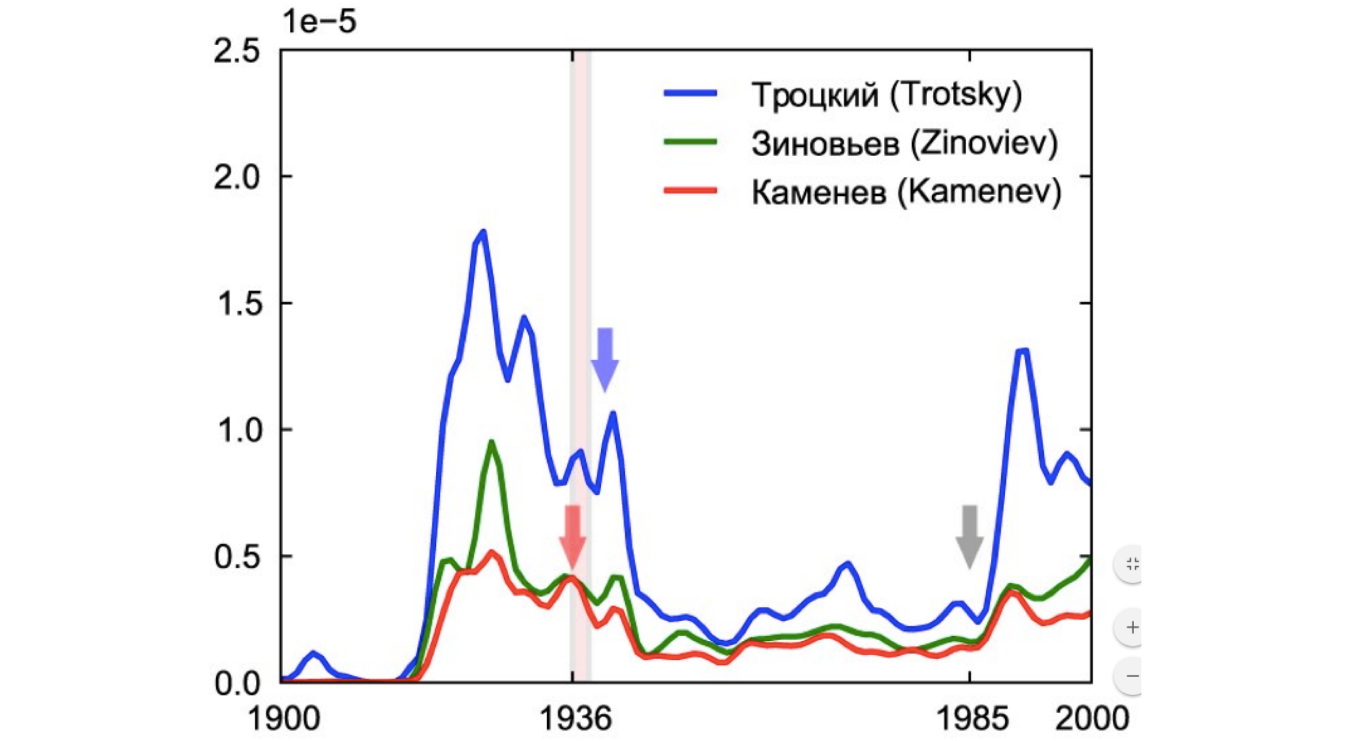
'Культуромика'
- Michel, Jean-Baptiste; Liberman Aiden, Erez (2011). Quantitative Analysis of Culture Using Millions of Digitized Books. Science. 331 (6014): 176–82
Google Books
- 'We constructed a corpus of digitized texts containing about 4% of all books ever printed. Analysis of this corpus enables us to investigate cultural trends quantitatively. We survey the vast terrain of “culturomics”, focusing on linguistic and cultural phenomena <...>'
Культуромика в Google Books
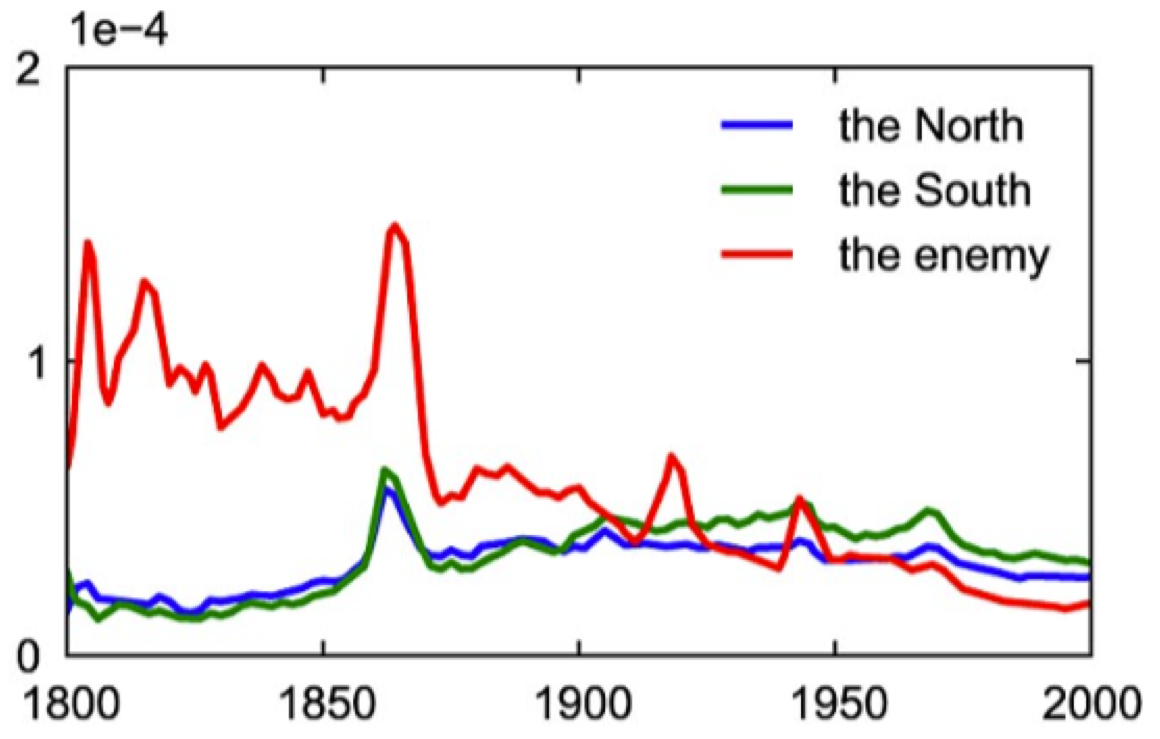
Культуромика в Google Books
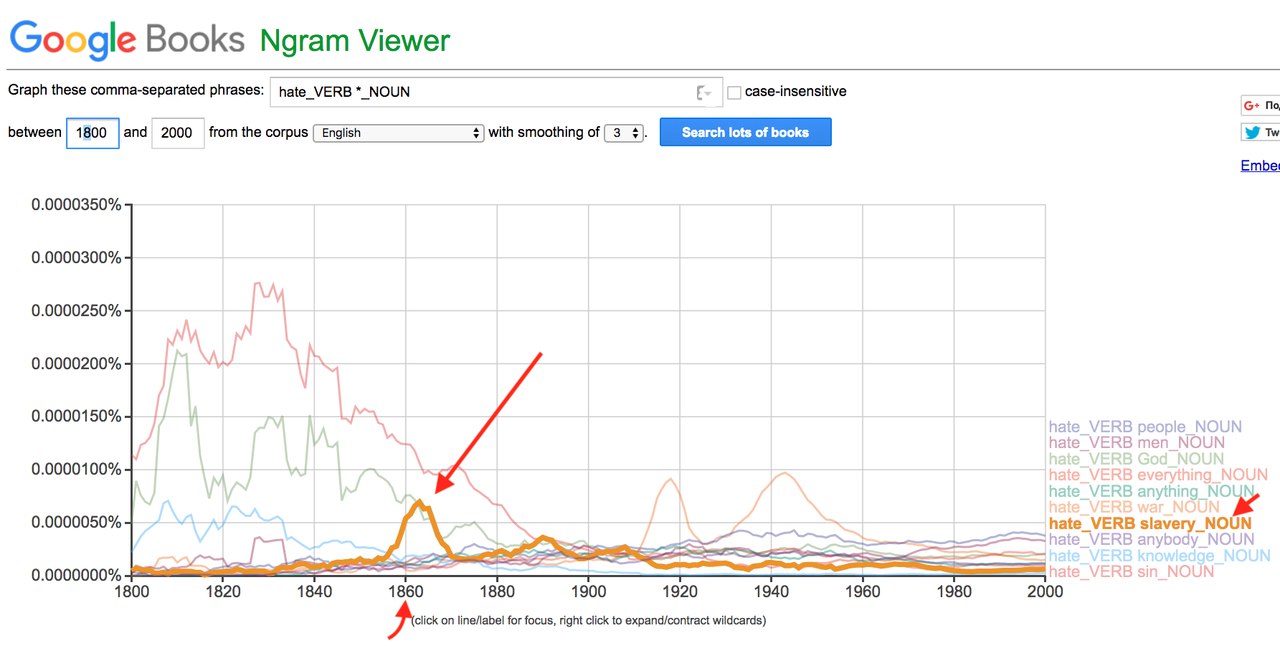
Культуромика в Google Books
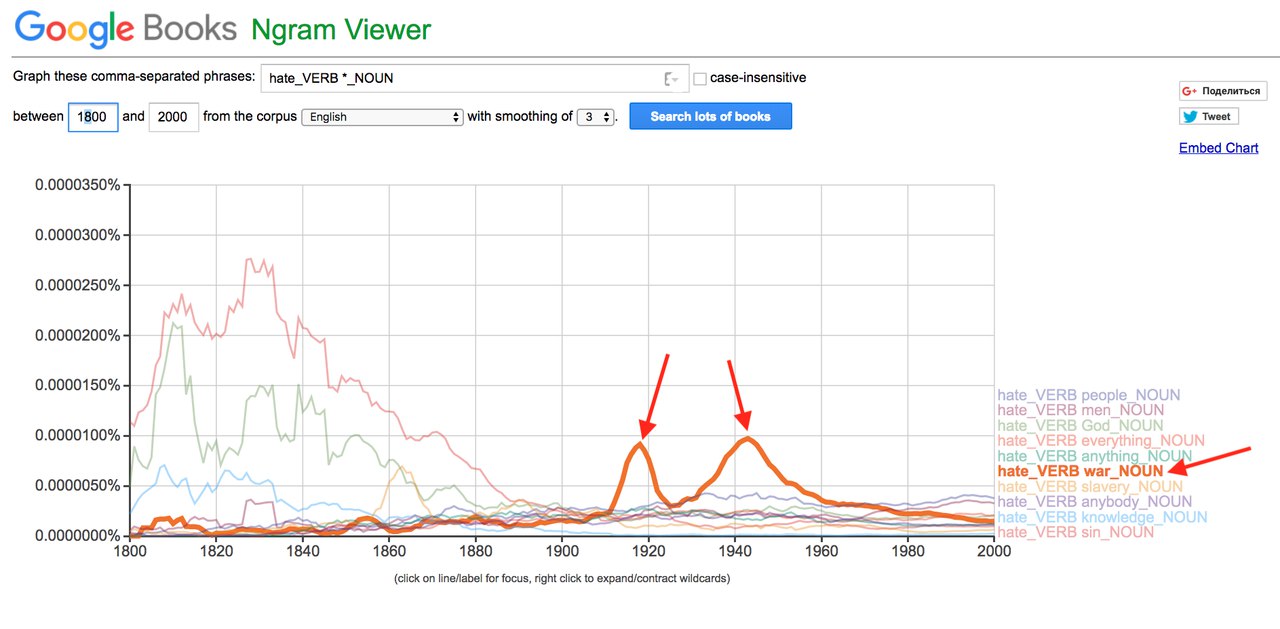
Культуромика в Google Books
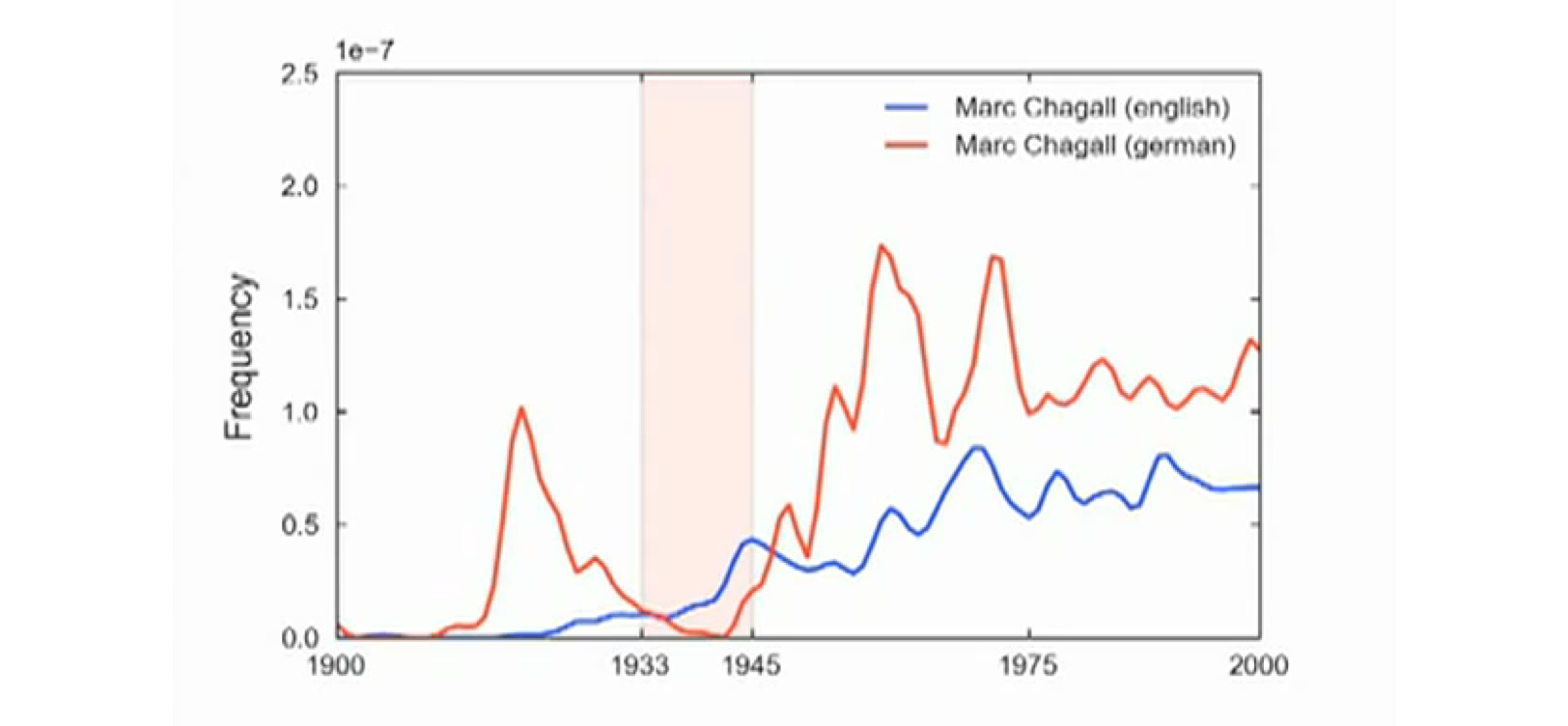
Культуромика в Google Books
Темы в дневнике
- Марта Баллард, акушерка из штата Мэн, вела дневник с 1785 по 1812 год
- За это время она приняла 816 родов и сделала около 10000 записей в дневнике
Дневник исследовали с помощью тематического моделирования
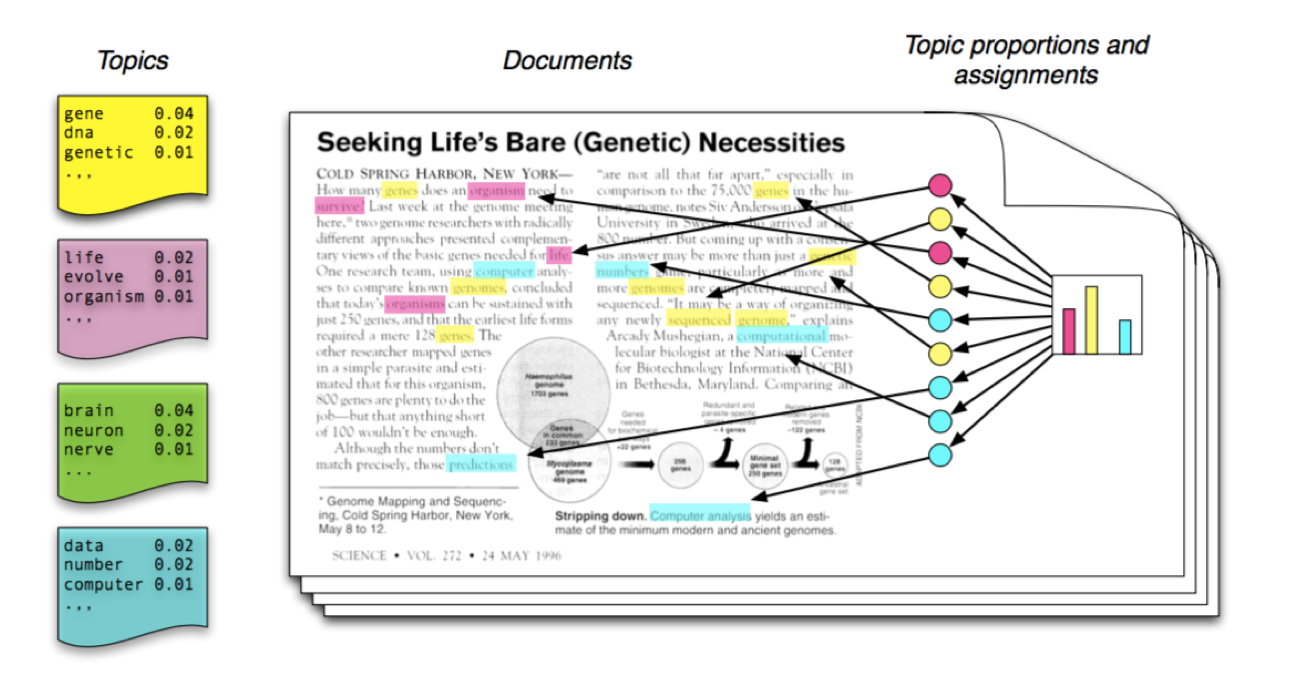
Темы в дневнике
- MIDWIFERY: birth deld safe morn receivd calld left cleverly pm labour fine reward arivd infant expected recd shee born patient
- CHURCH: meeting attended afternoon reverend worship foren mr famely performd vers attend public supper st service lecture discoarst administred supt
- DEATH: day yesterday informd morn years death ye hear expired expird weak dead las past heard days drowned departed evinn
- GARDENING: gardin sett worked clear beens corn warm planted matters cucumbers gatherd potatoes plants ou sowd door squash wed seeds
- SHOPPING: lb made brot bot tea butter sugar carried oz chees pork candles wheat store pr beef spirit churnd flower
- ILLNESS: unwell mr sick gave dr rainy easier care head neighbor feet relief made throat poorly takeing medisin ts stomach
Погода
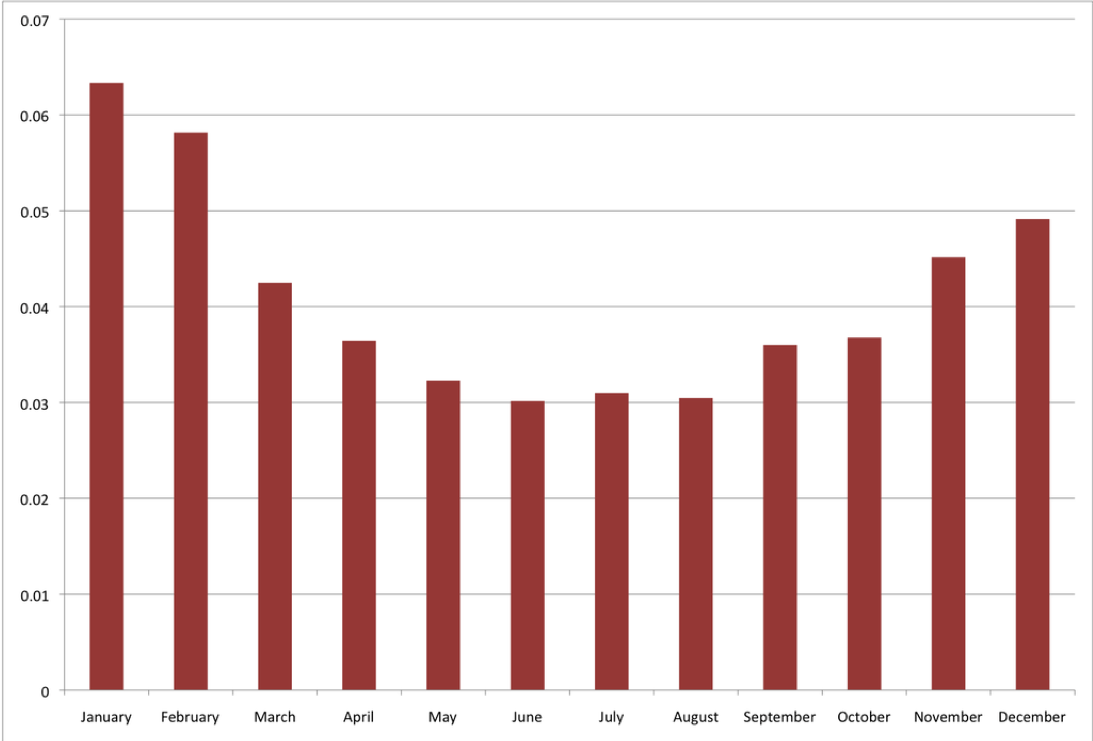
Gardening
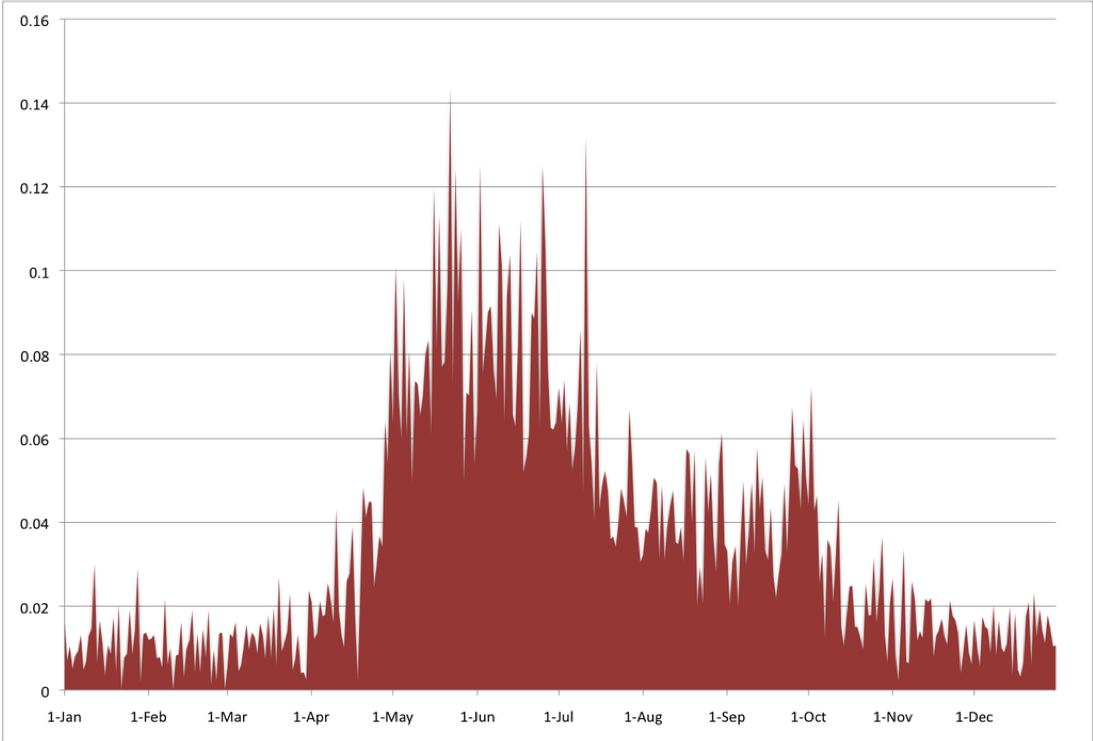
Тематическое моделирование для сравнения жанров

Масштабирование не про тексты
Длина кадра в кино
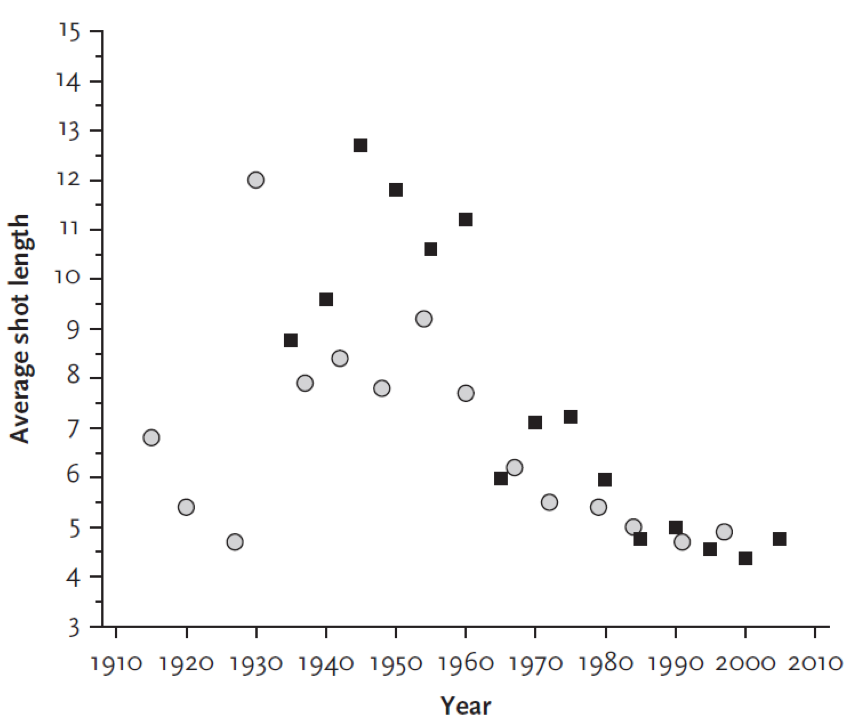
Динамичность и освещенность кадра
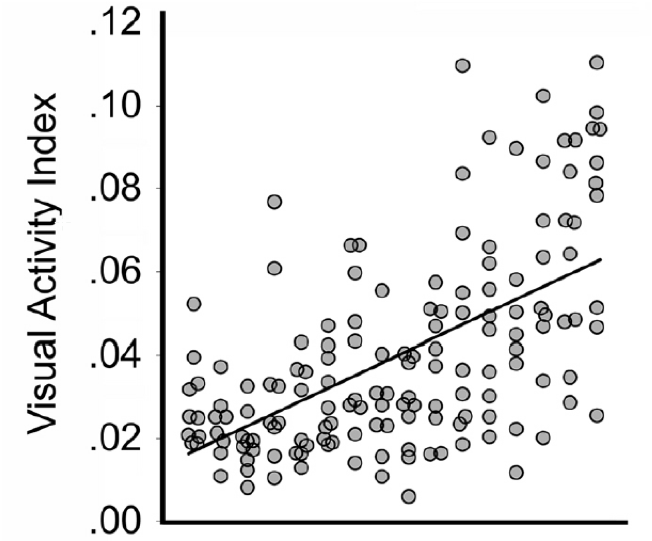
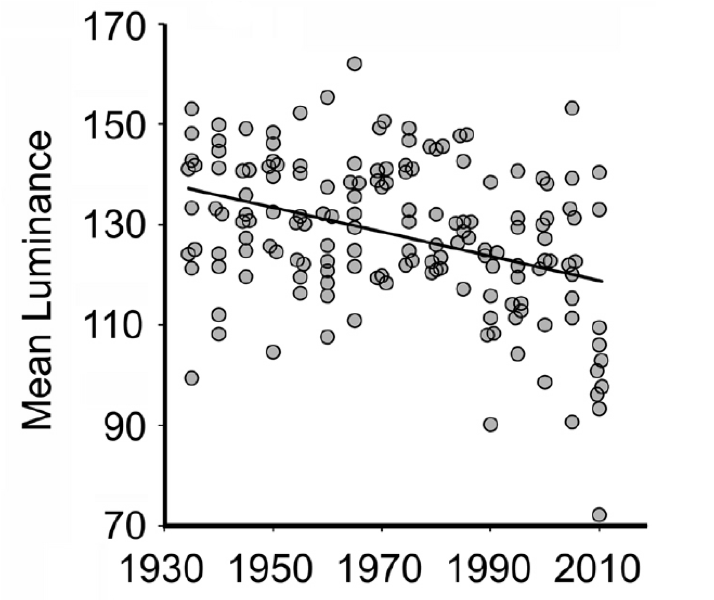
И кинопостеры тоже темнеют
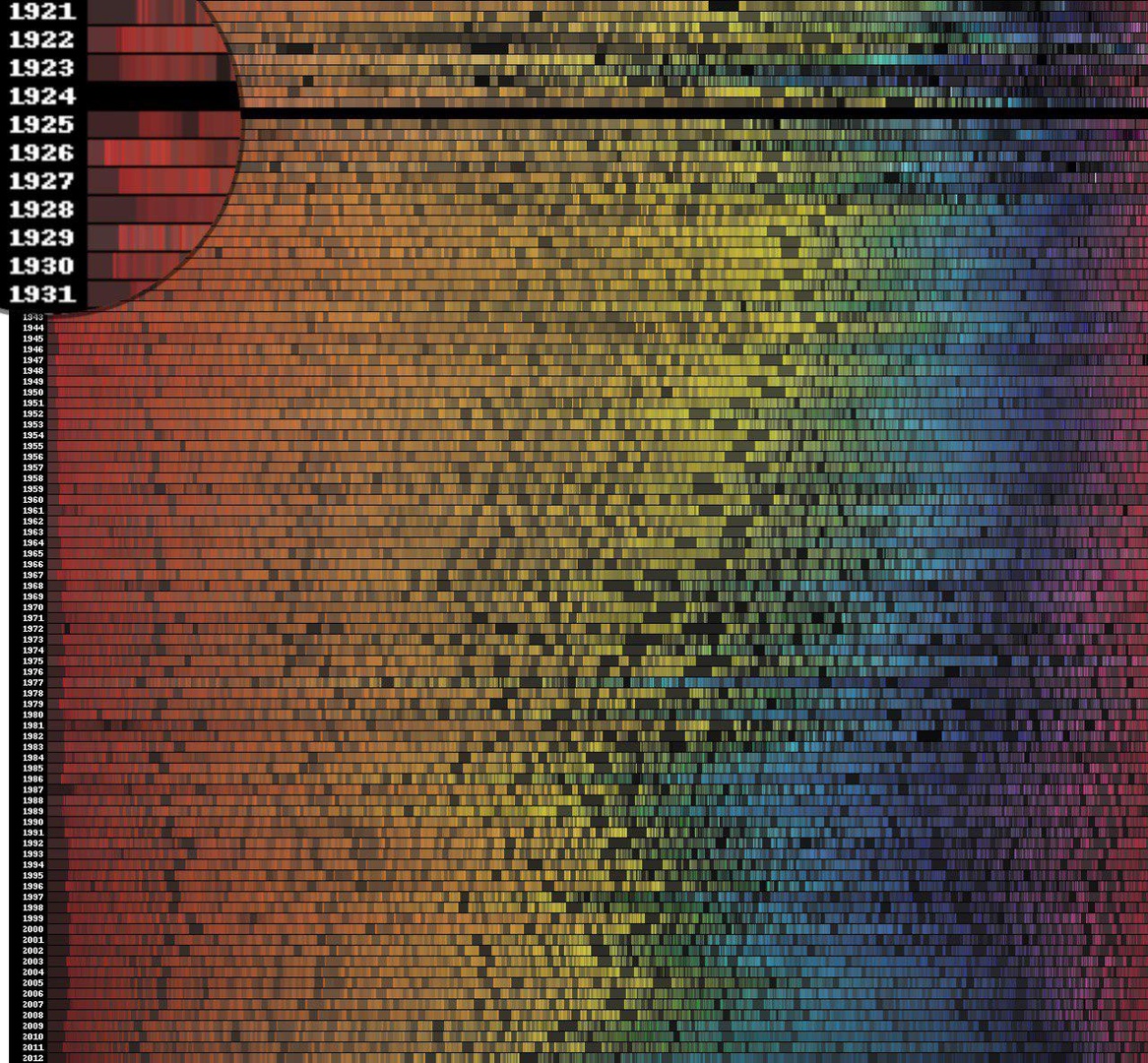
Эволюция обложки Time
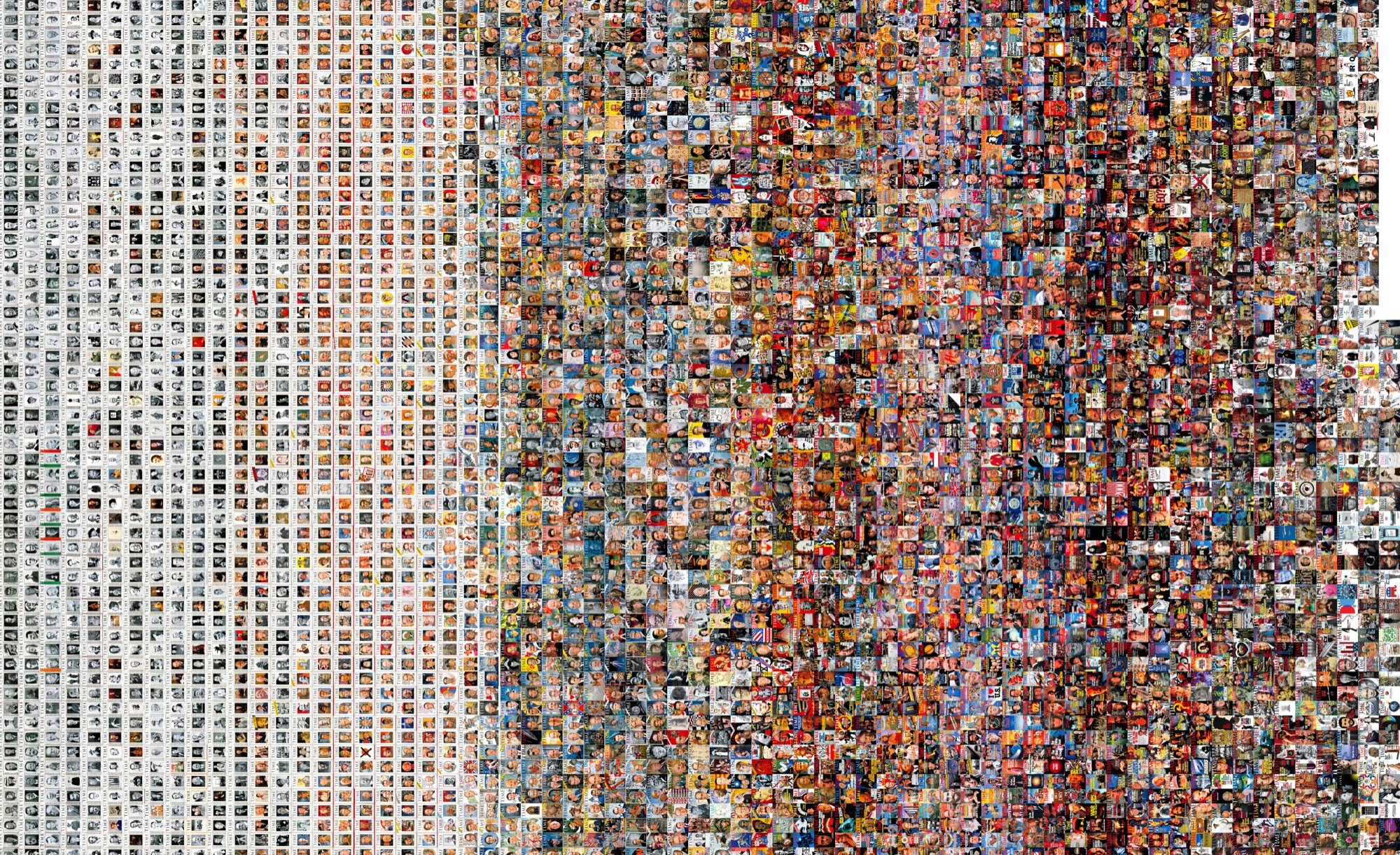
137 тыс. картин с WikiArt
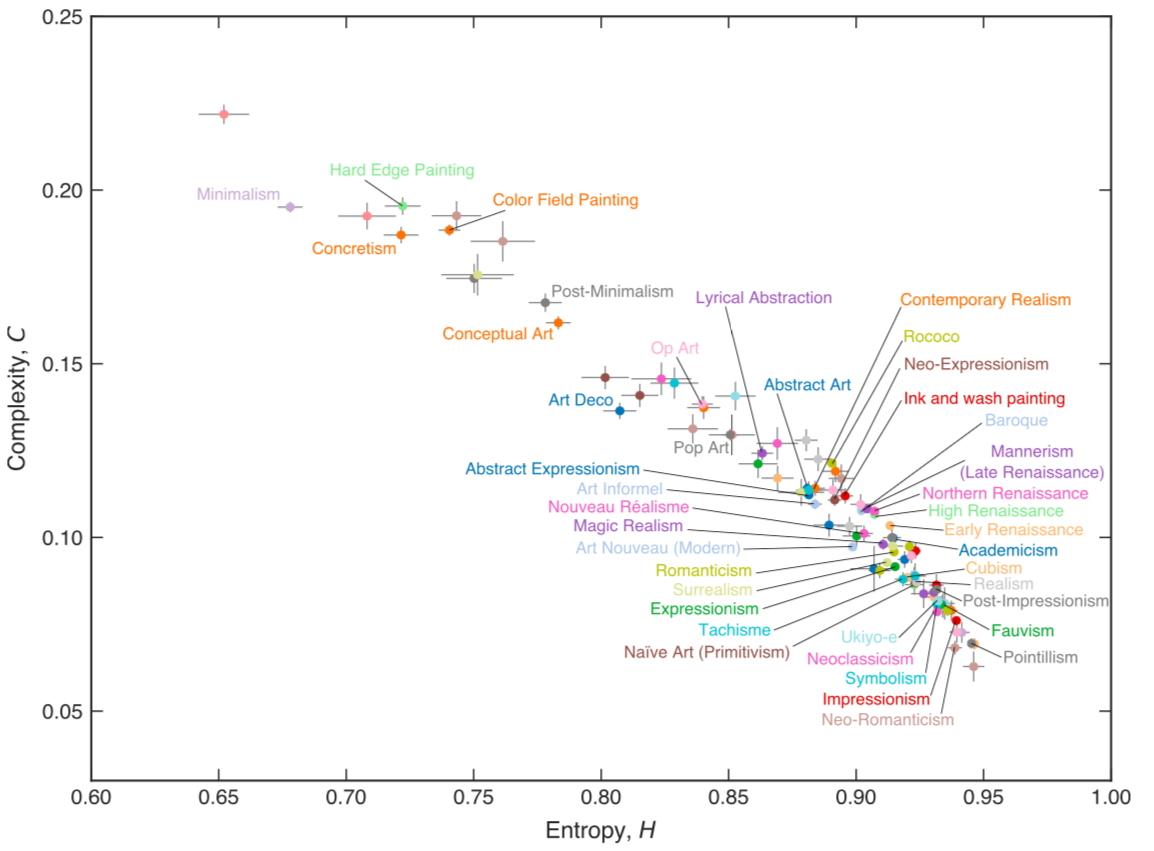
Меры энтропии и сложности
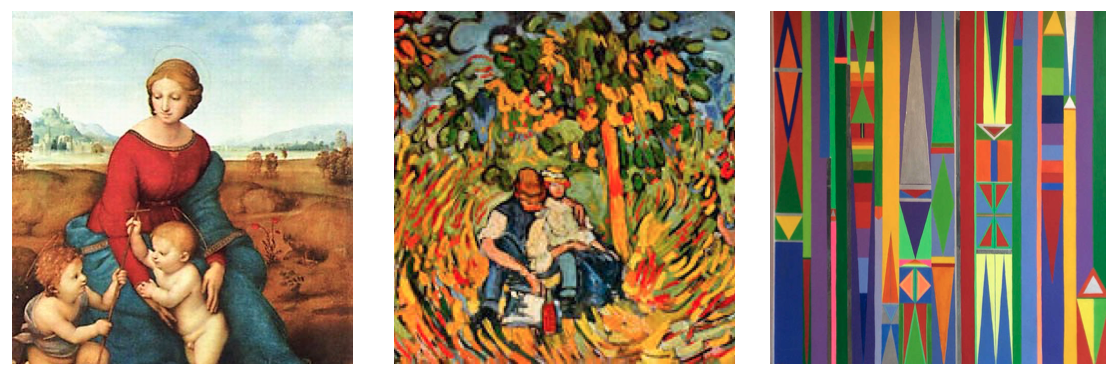
137 тыс. картин с WikiArt
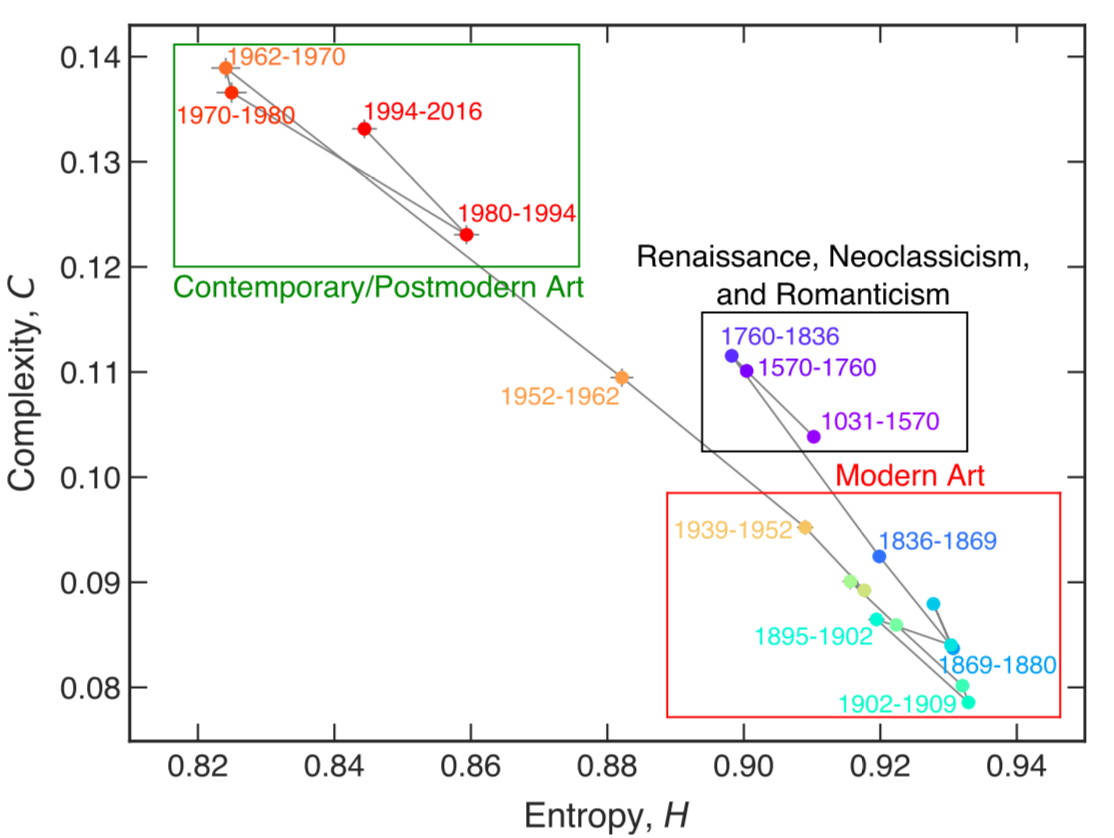
137 тыс. картин с WikiArt
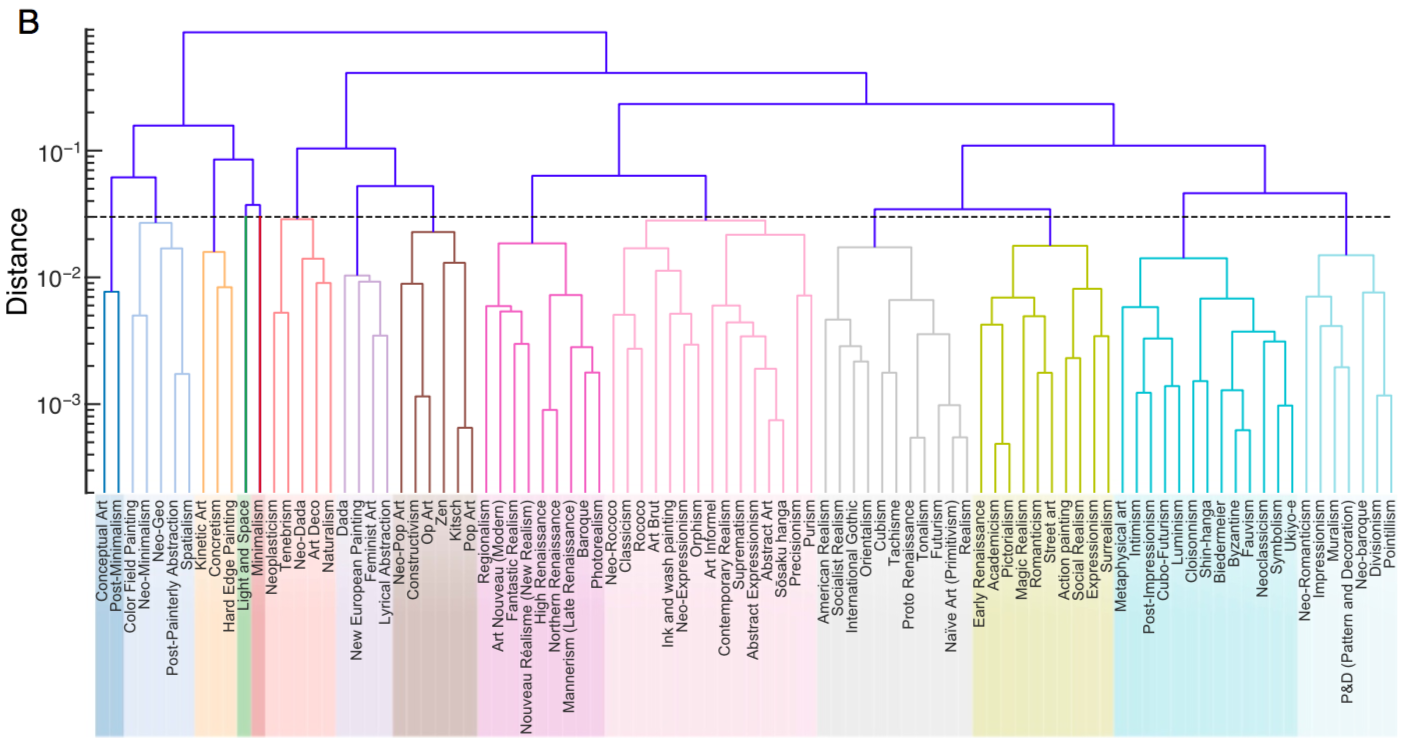
Исследование единичных объектов, новые методы моделирования
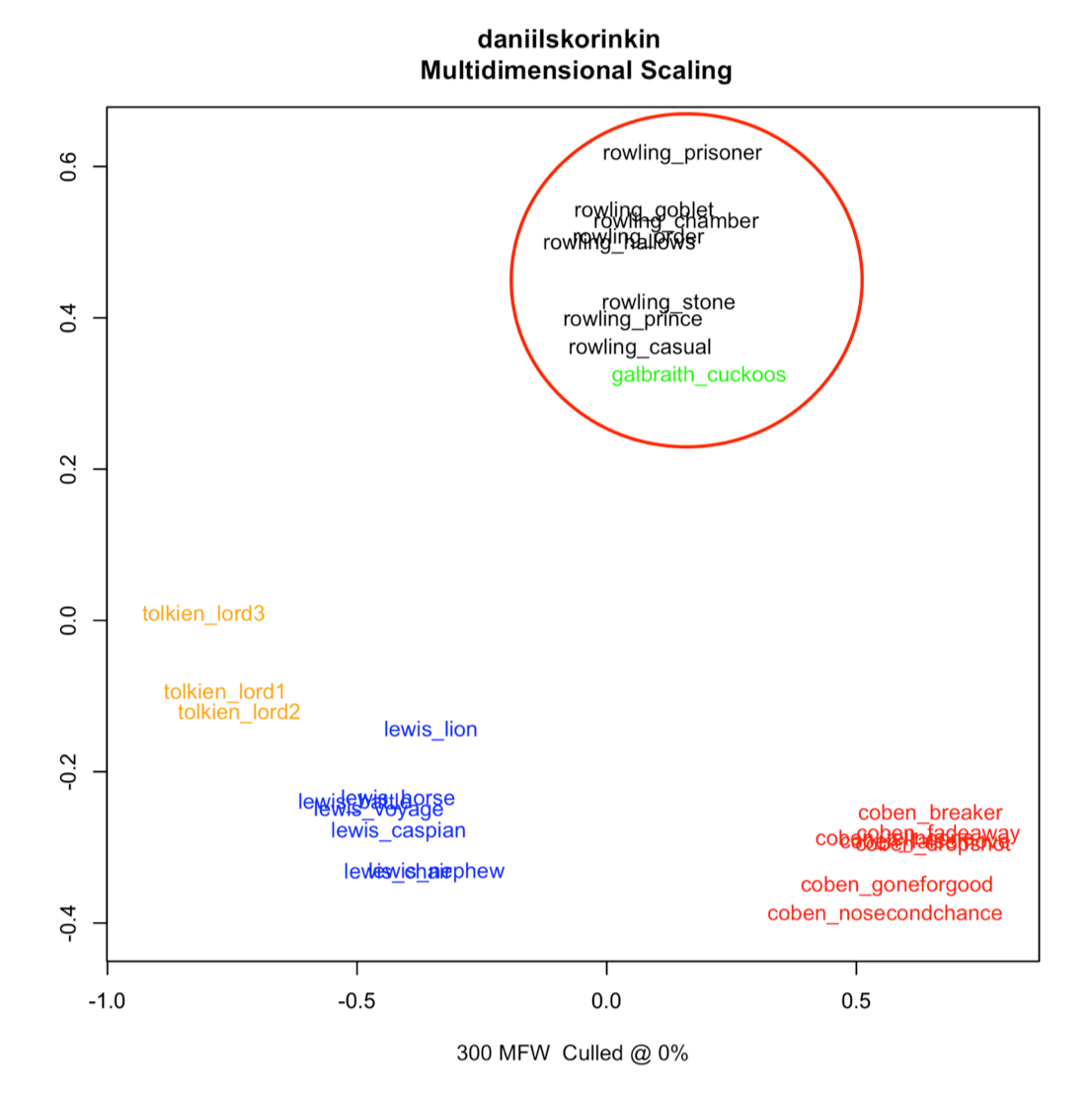
Стилометрия
Сетевой анализ
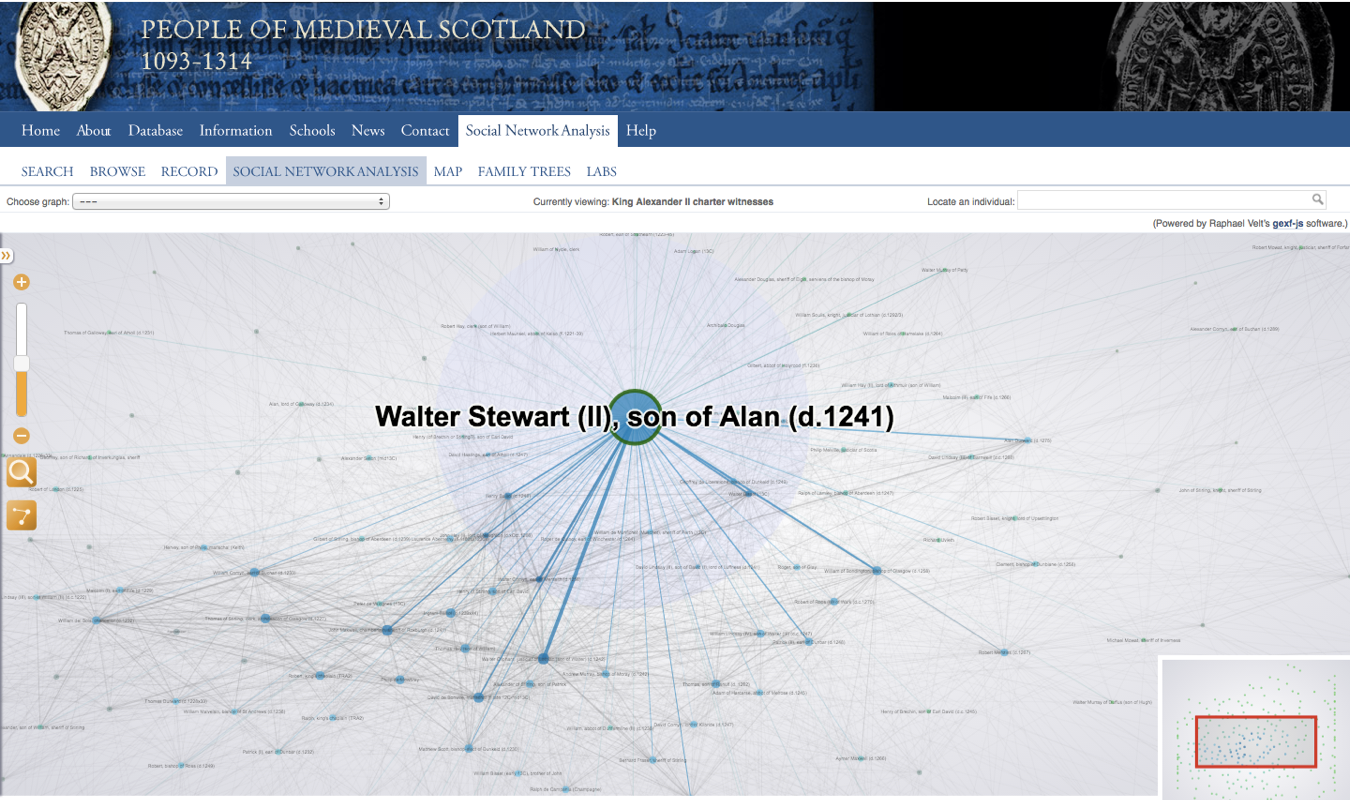
Сетевой анализ
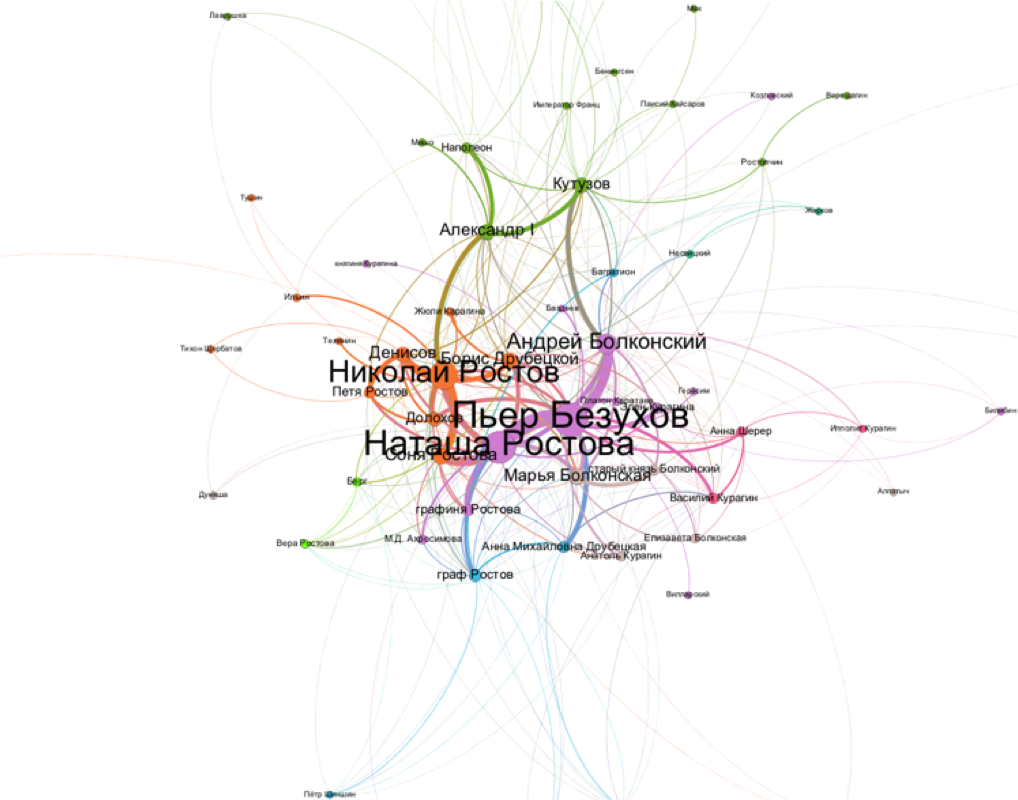
Из диссера Дани Скоринкина
Сетевой анализ
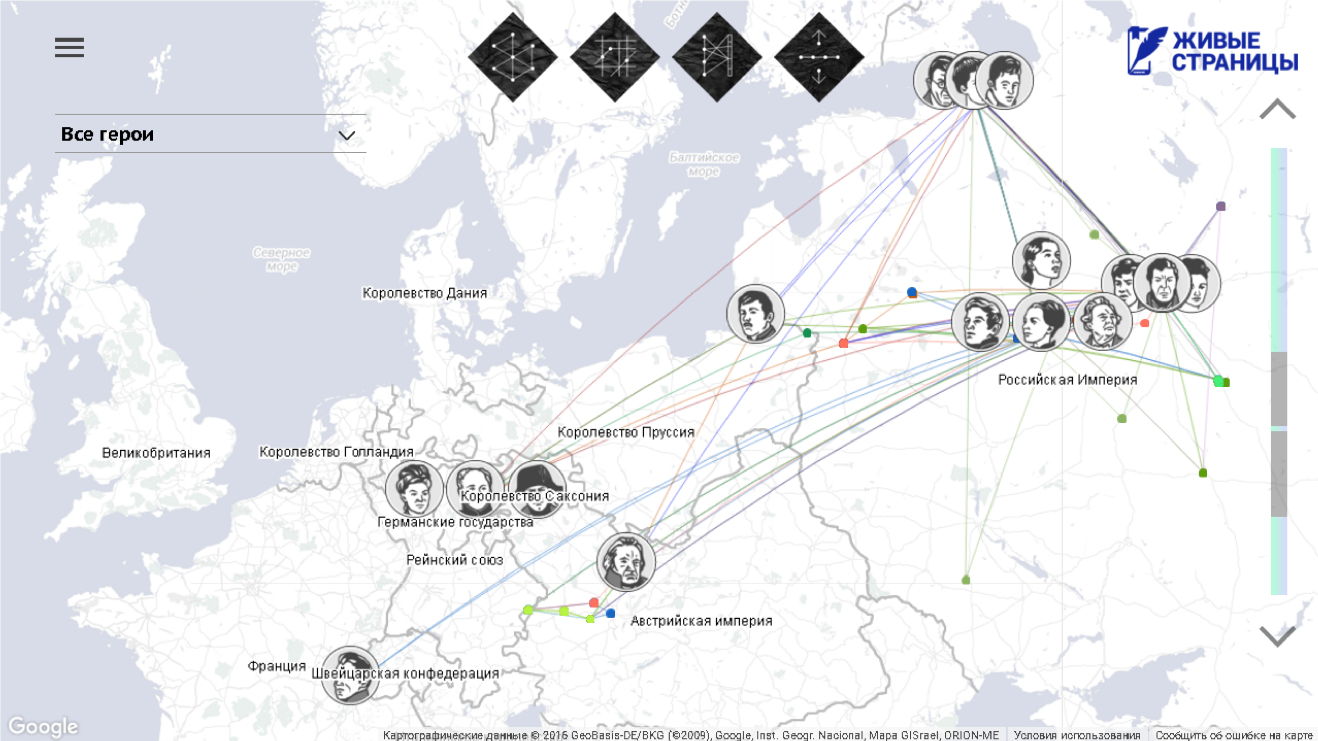
Сети можно сочетать с картами (GIS)
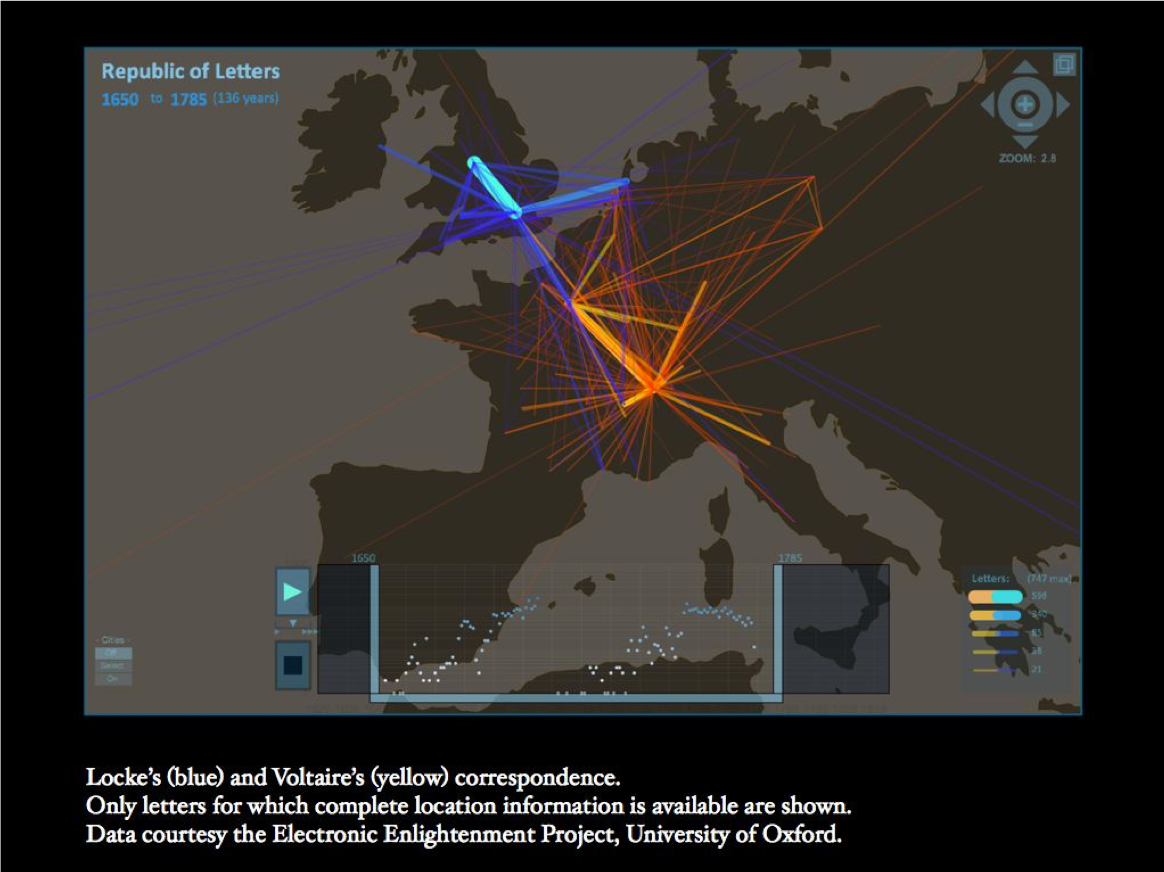
Проект Mapping the Republic of Letters
Исследование потребления культурных продуктов (например, комиксов)
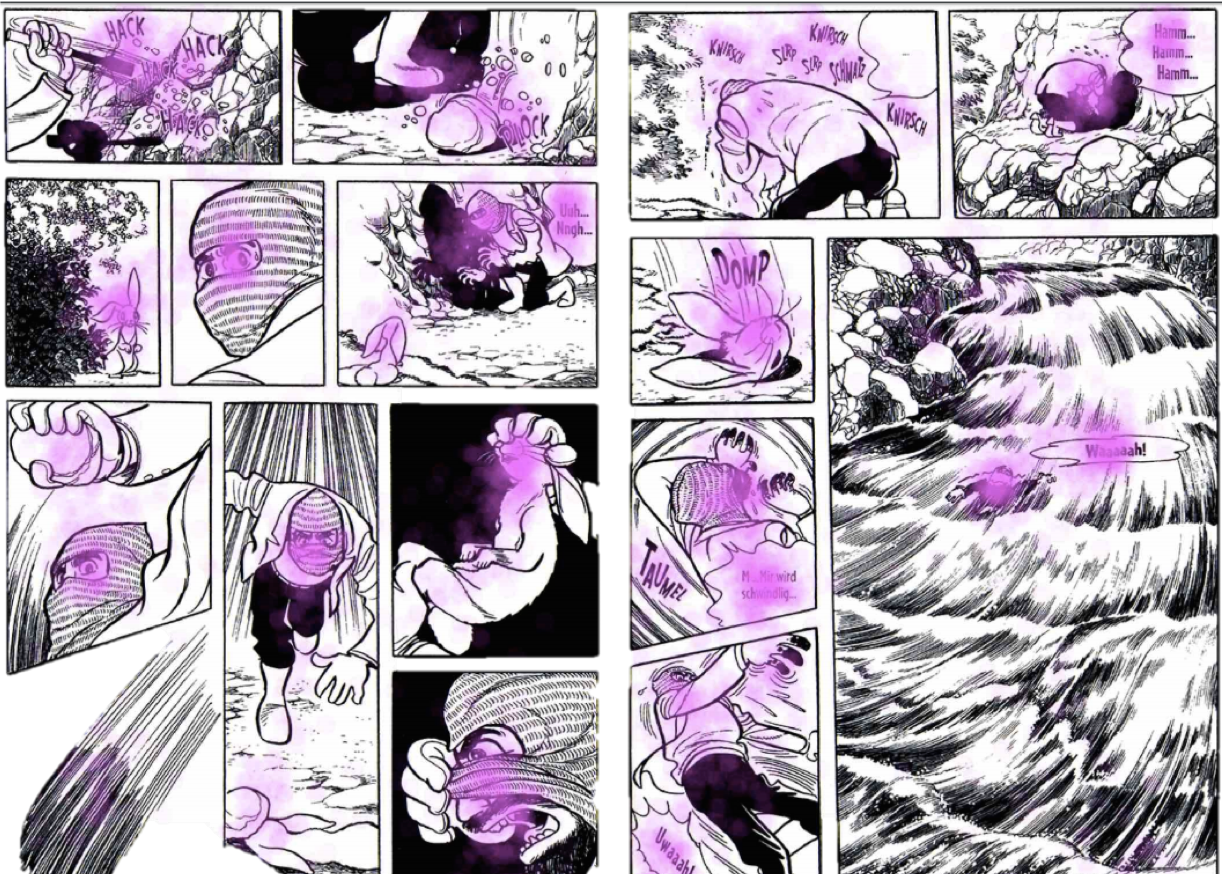
Айтрекер
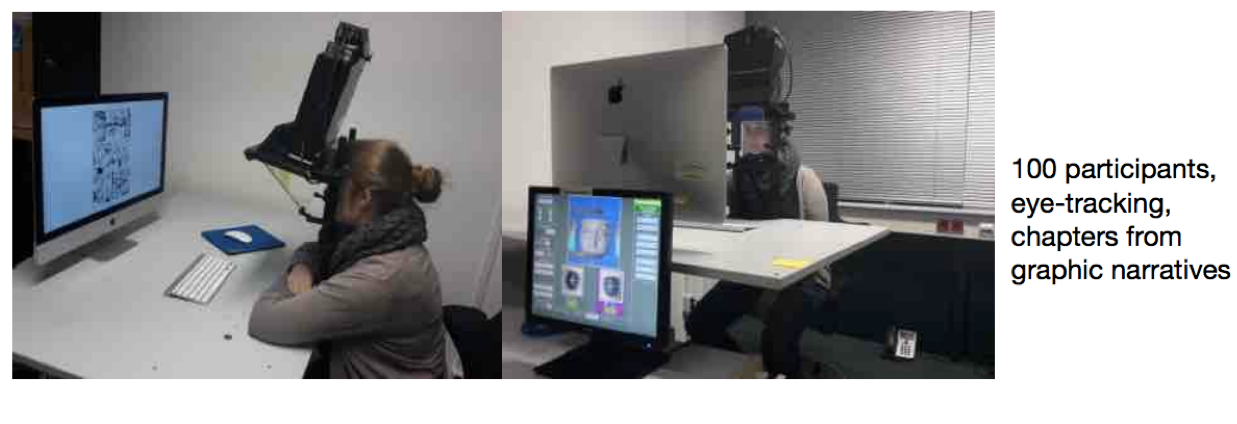
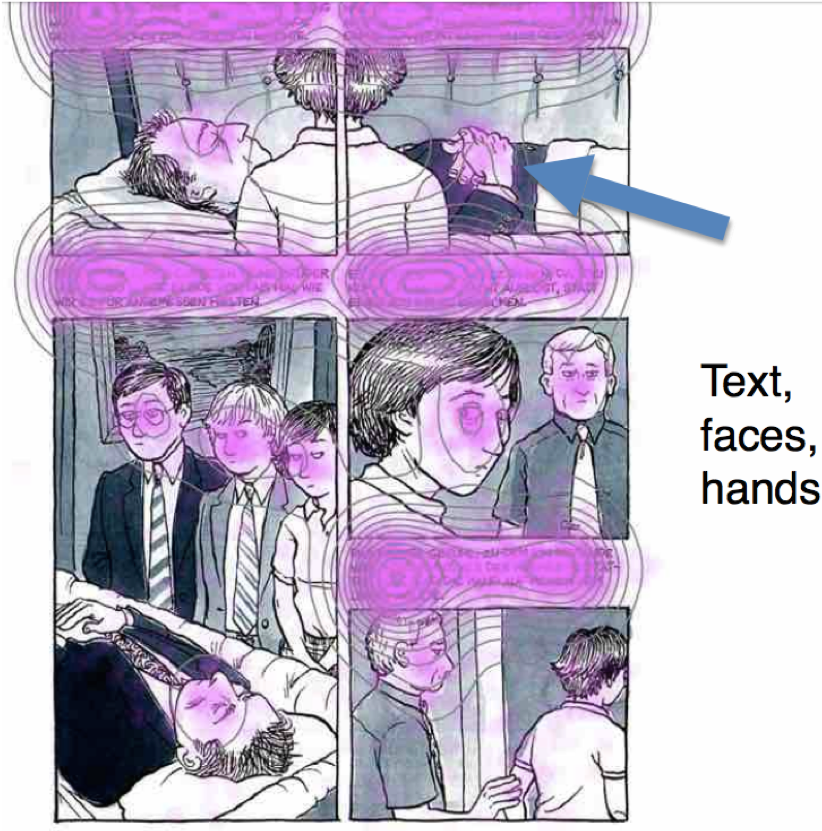
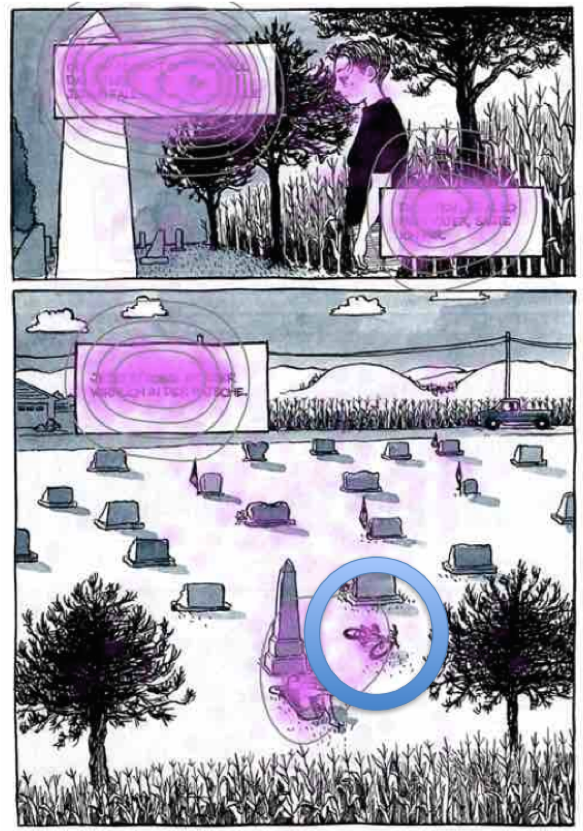
3D-моделирование объектов культурного наследия
Визуализация гуманитарного знания, повышение доступности
Виртуальные музеи
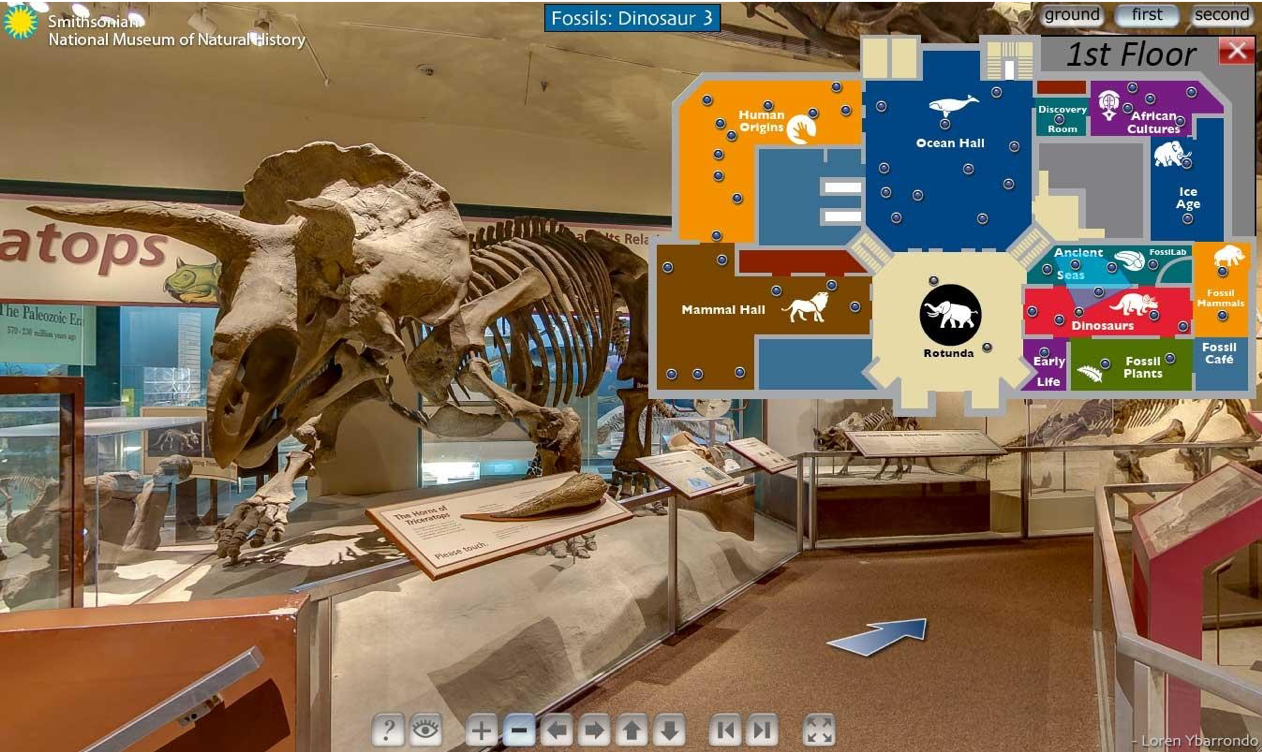
Музеи с дополненной реальностью
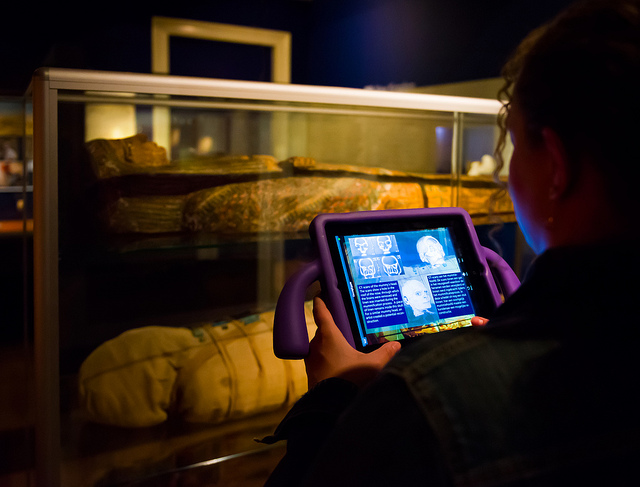
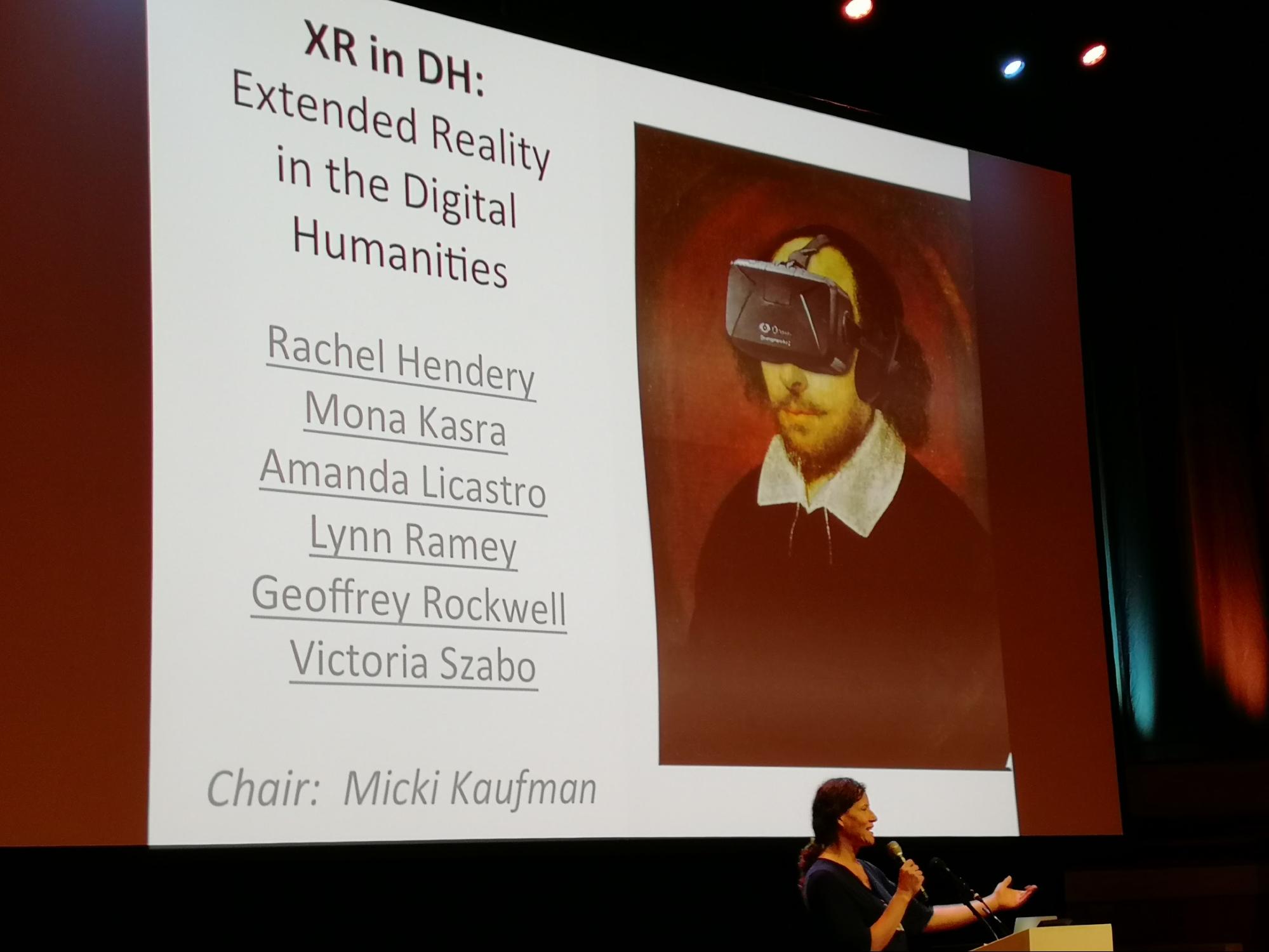
DH-сообщество заинтриговано
Геоинформатика (GIS) и гуманитарии
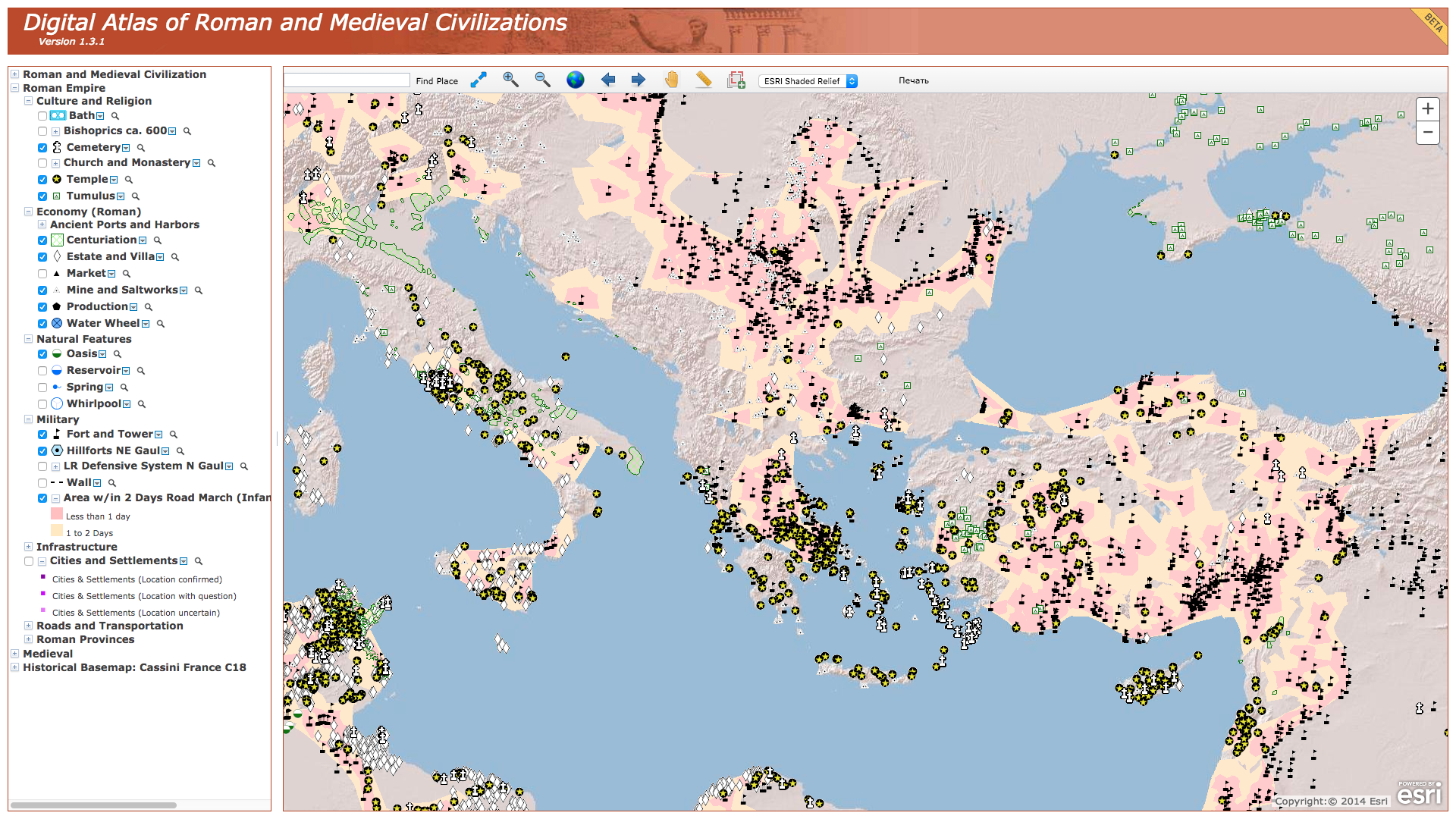
The Digital Atlas of Roman and Medieval Civilizations
GIS и гуманитарии
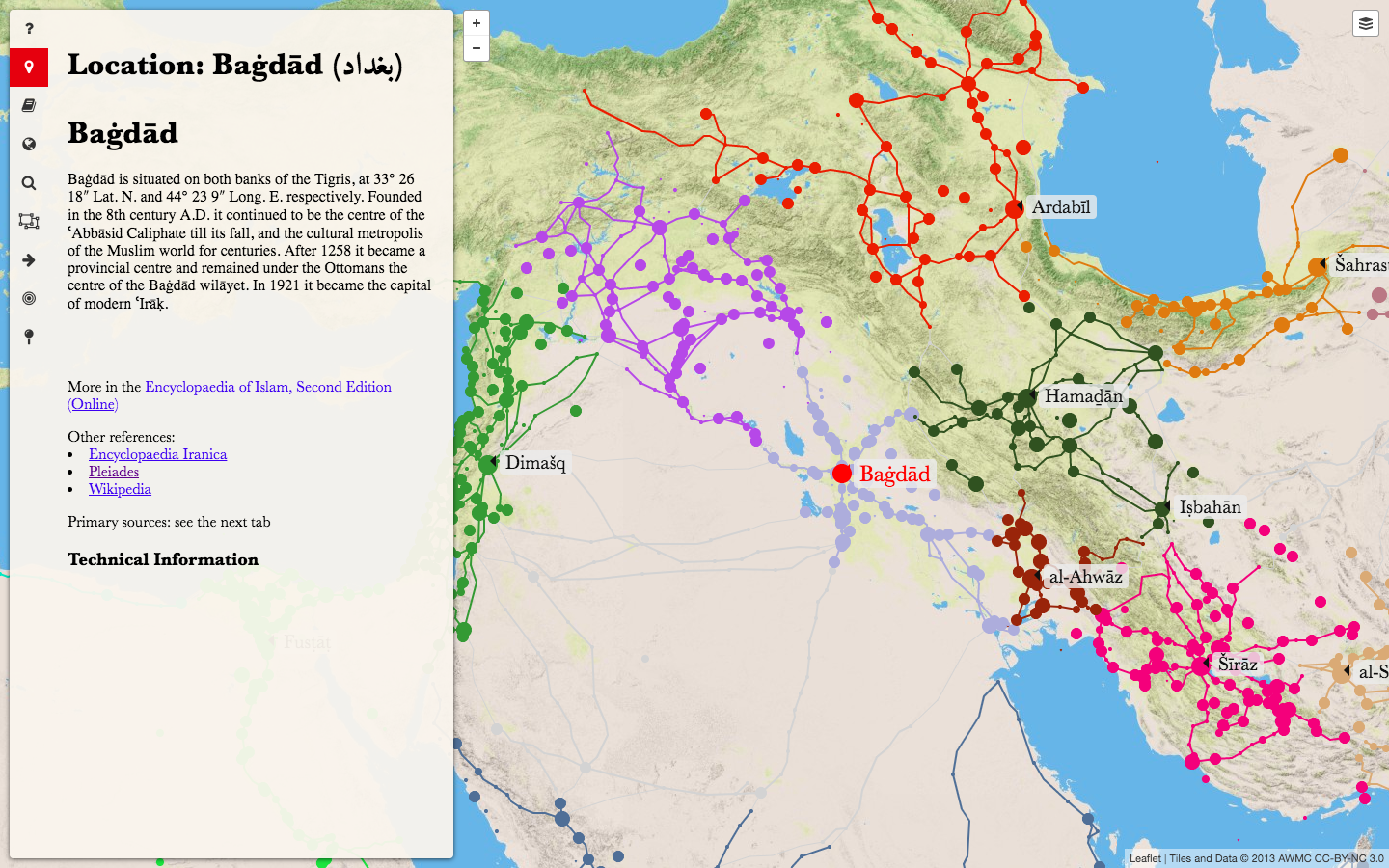
GIS и гуманитарии
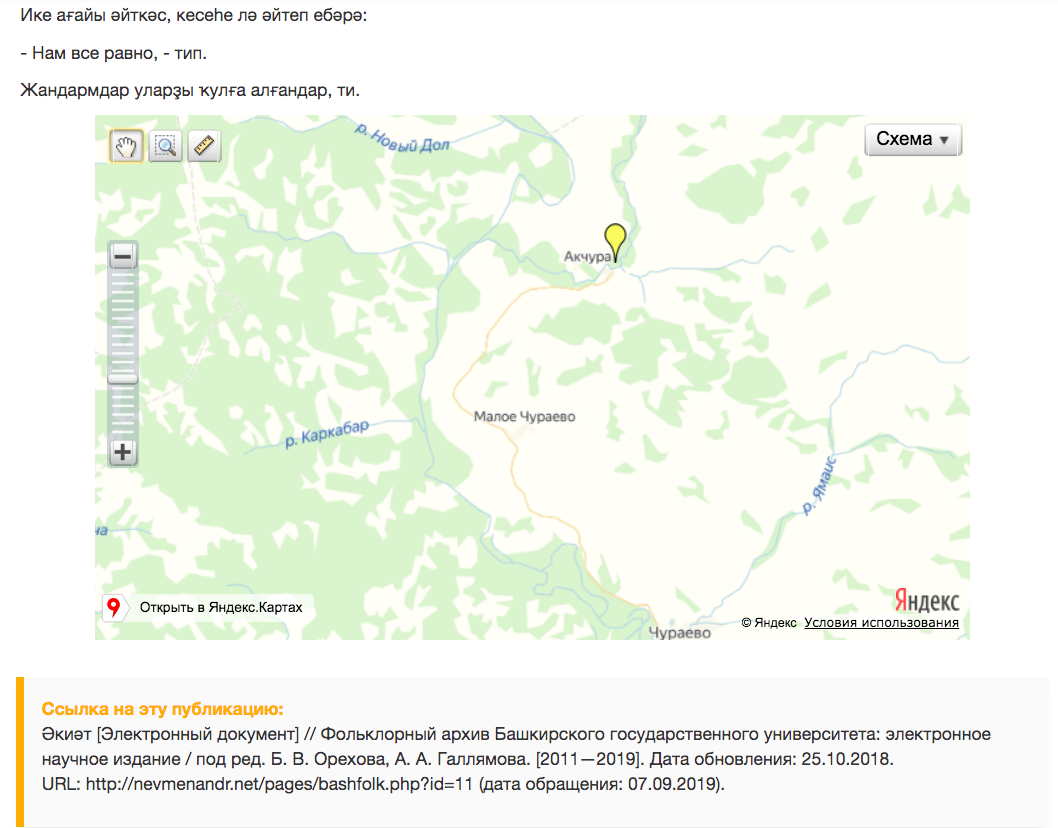
GIS и гуманитарии
Цифровые издания
Цифровые издания
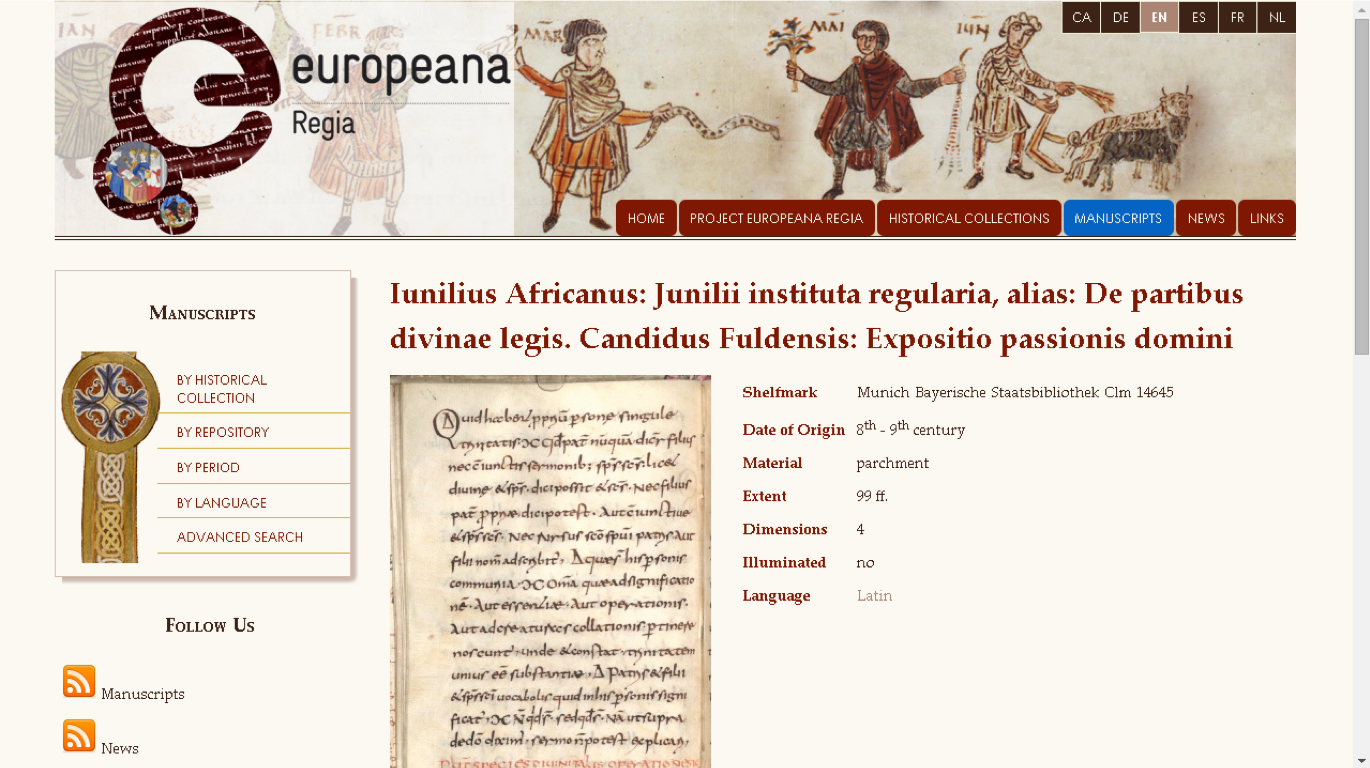
Цифровые издания
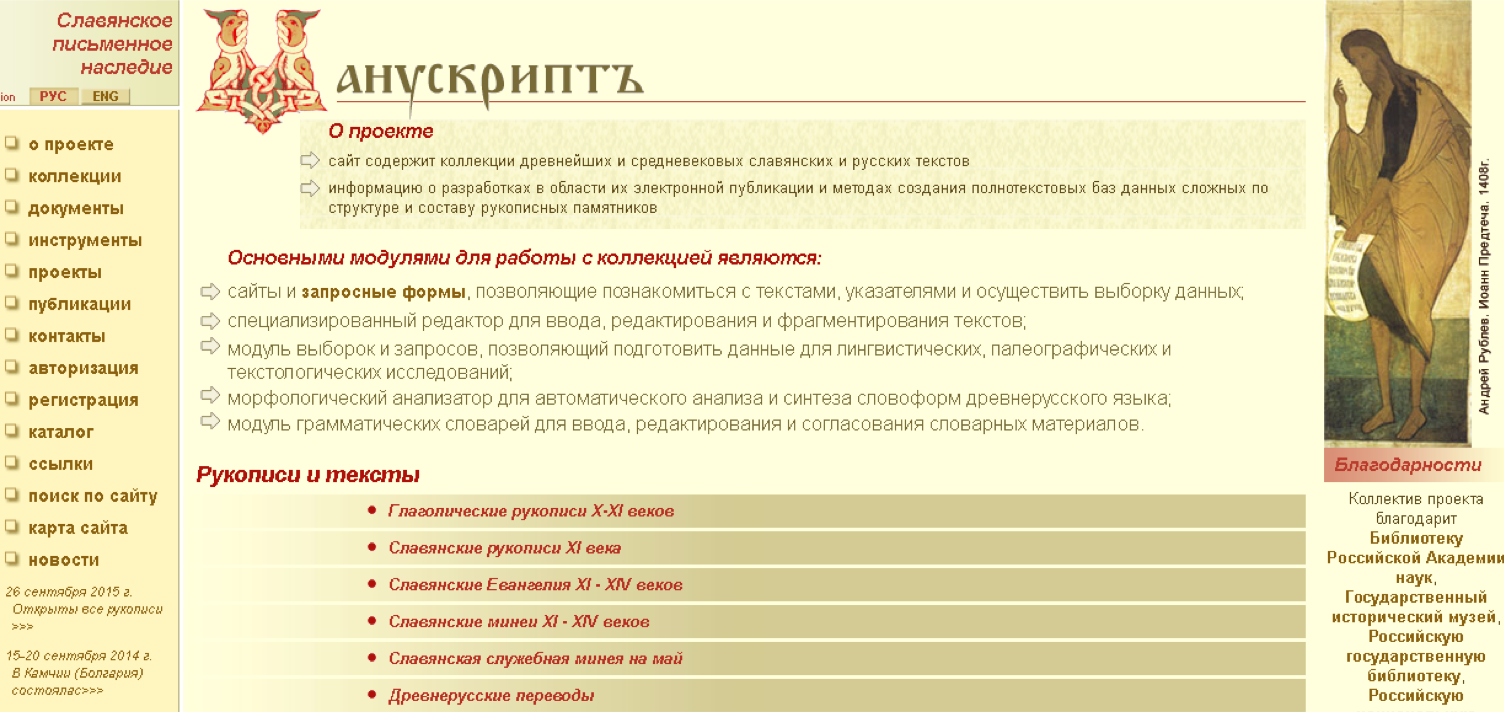
Оцифровка и создание инструментов
OCR (оптическое распознавание символов)

Оцифровка рукописного текста
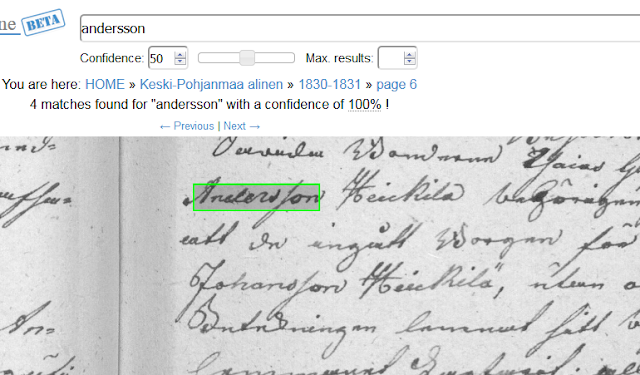
См. Transcribus
Краудсорсинговая оцифровка

Стандарт машиночитаемого текста в гуманитарных областях

Text Encoding Initiative (TEI/XML)
Цифровая консервация в археологии
Где обитают цифровые гуманитарии?
Журналы
Конференции
- Ежегодная мировая конференция альянса ADHO
- Digital Humanities in the Nordic countries (в 2020 в Риге, дедлайн 30 сентября)
- Digital Humanities im deutschsprachigen Raum (в 2020 в Падерборне, дедлайн 16 сентября)
- LaTeCH/Clfl (отпочковалось от комплингвистики)
- Другие компьютерно-лингвистические площадки
- Всякие Digital Libraries конференции
Соцсети
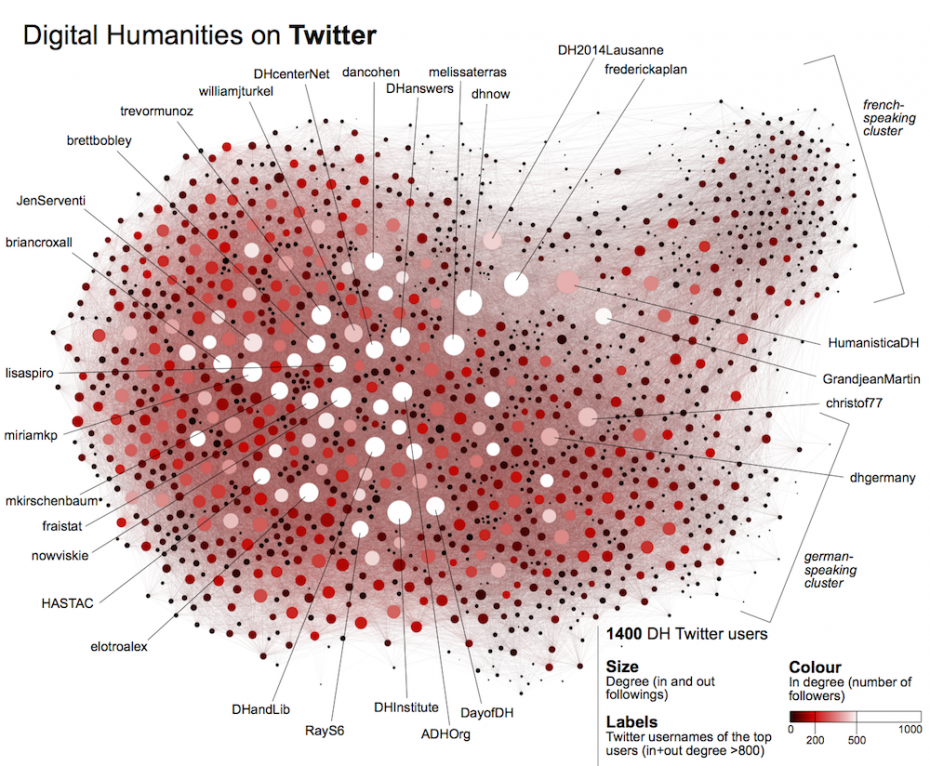
- TWITTERRR1111111!!!!
- и еще Twitter
См. например, по хэштегу
Есть несколько исследований Twitter-сообщества DH
- "Квартира пуста, но мы здесь, здесь мало что есть, но мы есть. Дождь для нас". (В. Цой)
- Но мы ждем перемен
- Была мощная конференция DH Russia 2017
- Тогда официально запустилась российская ассоциация DH (входит в ADHO через EADH)
- БУдет круто, если вы вдохнете в нее жизнь
А что в России?
Задание на следующий раз
- Найти DH-проект или исследование (можно статью, можно веб-сервис), который вам кажется достойным
- Рассказать о нем за 5 минут
- Особое внимание:
- Доступны ли данные?
- Дает ли проект/исследование новое знание? Или только помогает визуализировать/распространить?
- Какую «добавочную стоимость» дает Digital в этом проекте